

After measuring
Aquarium & pond advisor: what to do when a value is off
You’ve measured your water – now the advisor tells you what to do for each value and which product fits.
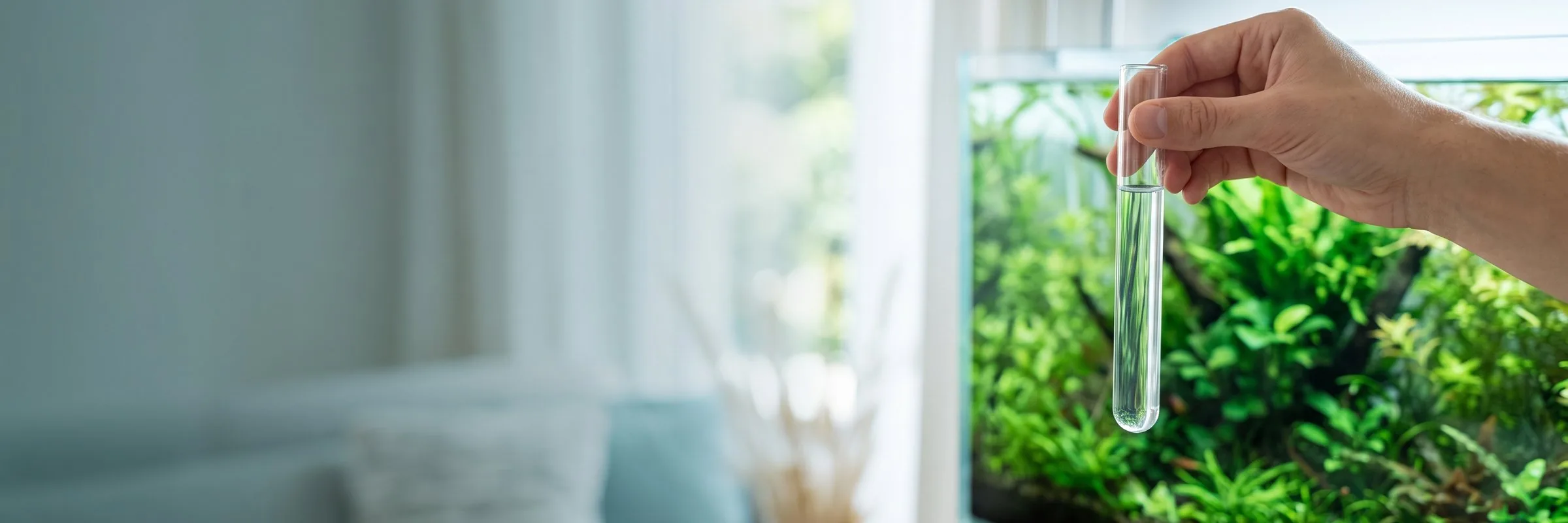
The aquarium & pond advisor tells you what to do after measuring. Choose freshwater aquarium or garden pond, the value that stands out and whether it is too high or too low. For pH, KH, GH, ammonium, nitrite, nitrate, phosphate and oxygen, you see the consequence, the action and suitable care products from other brands.
All values & measures at a glance
The cheat sheet for aquarium and garden pond – every value with consequence, action and the right product.
Care products and accessories from other brands – smardy blue makes water tests, not care products.
Aquarium
Freshwater
pH levelTarget value 6.5–7.5Applies to typical community tanks. Below pH 6, the filter bacteria barely work.
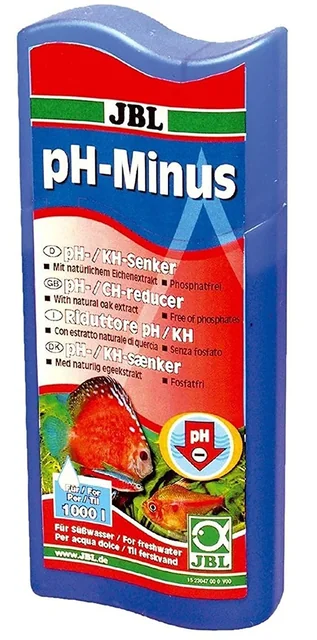
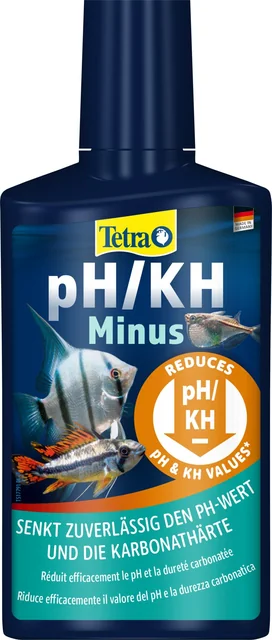
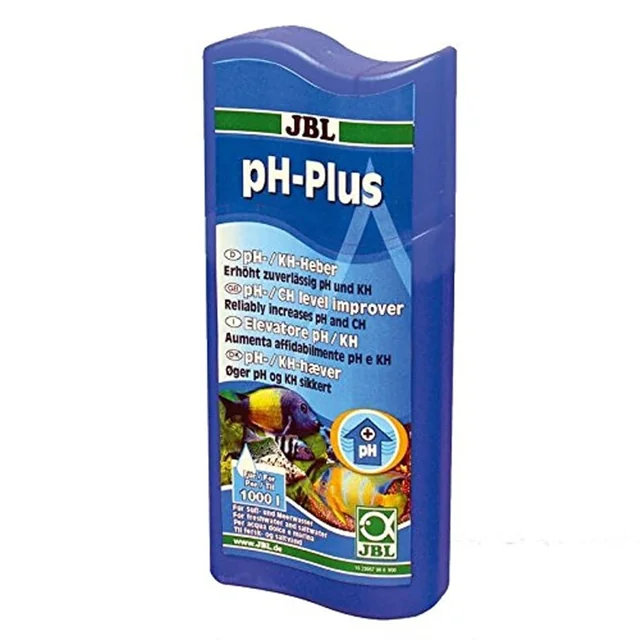
Carbonate hardness (KH)Target value 4–8 °dHThe buffer for the pH level. Below 4 °dH, the pH fluctuates strongly.
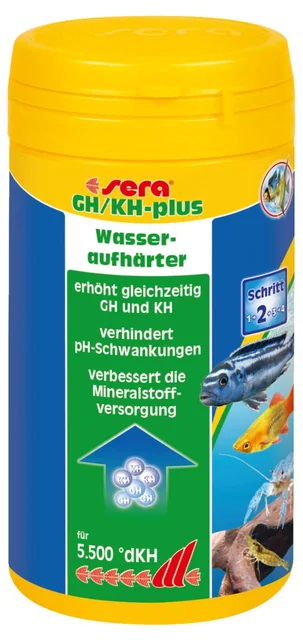
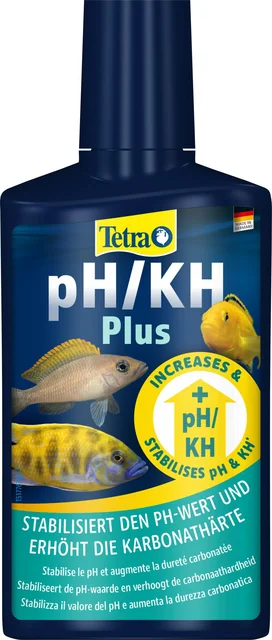
Total hardness (GH)Target value depending on stockingNormally GH is above KH. Which range fits depends on your fish and plants.

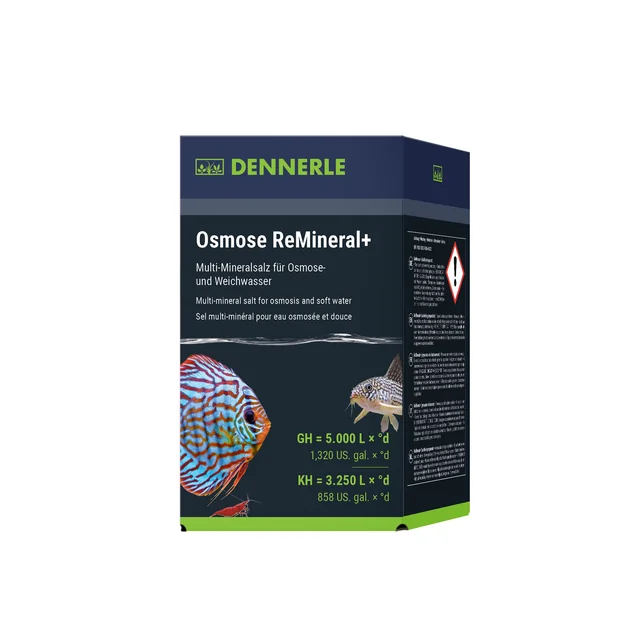

Ammonium / ammoniaTarget value below 0.2 mg/lComes from food leftovers and waste. The higher the pH and temperature, the more toxic ammonia.
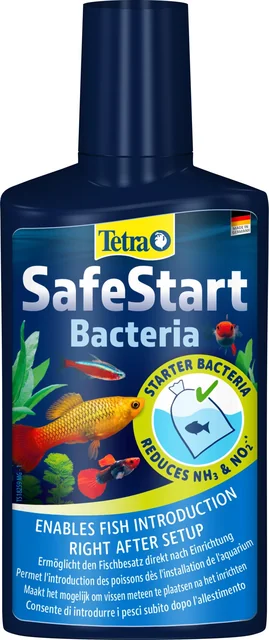
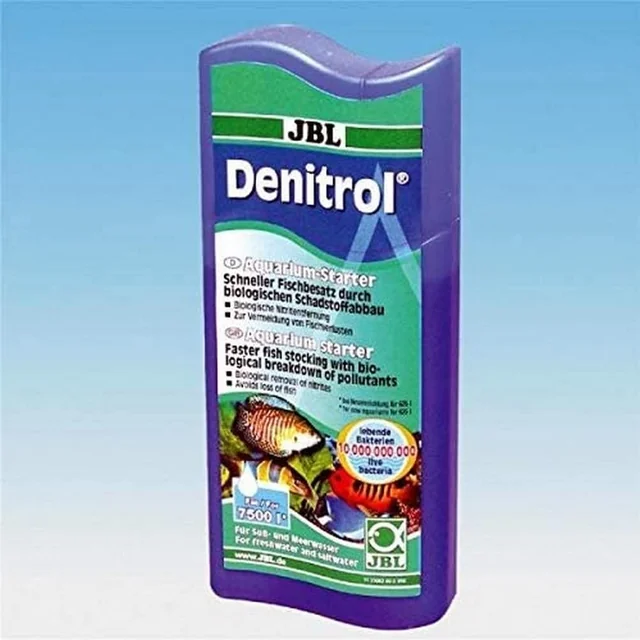
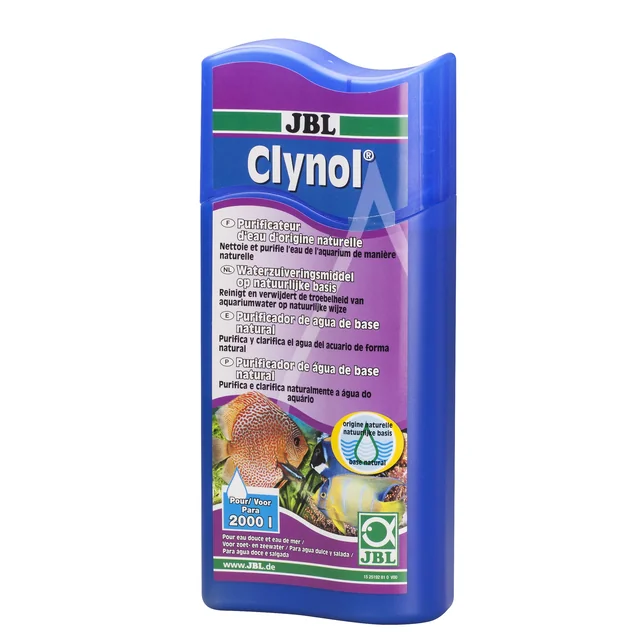
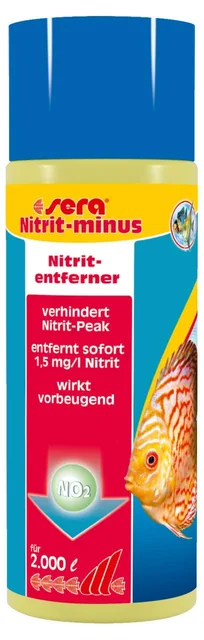
NitriteTarget value 0 mg/lIntermediate stage in the breakdown. From 0.5 mg/l it becomes lethal for fish.

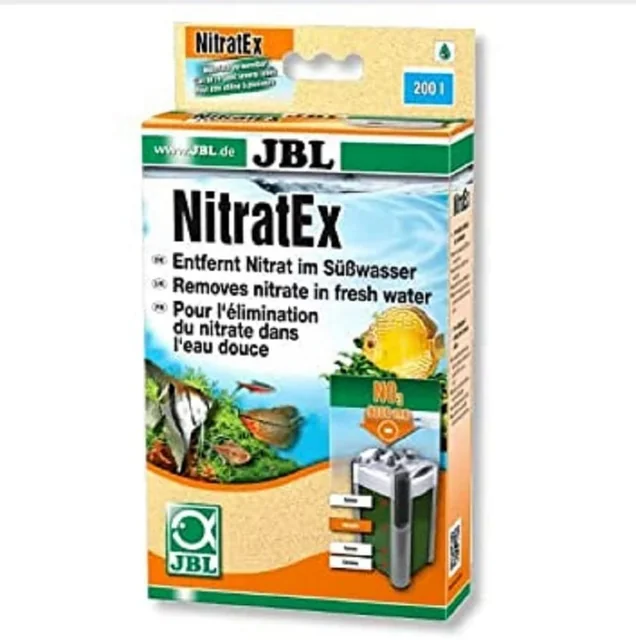
NitrateTarget value below 30 mg/lEnd product of the breakdown. A manufacturer recommends below 30 mg/l; it should never reach 50 mg/l.

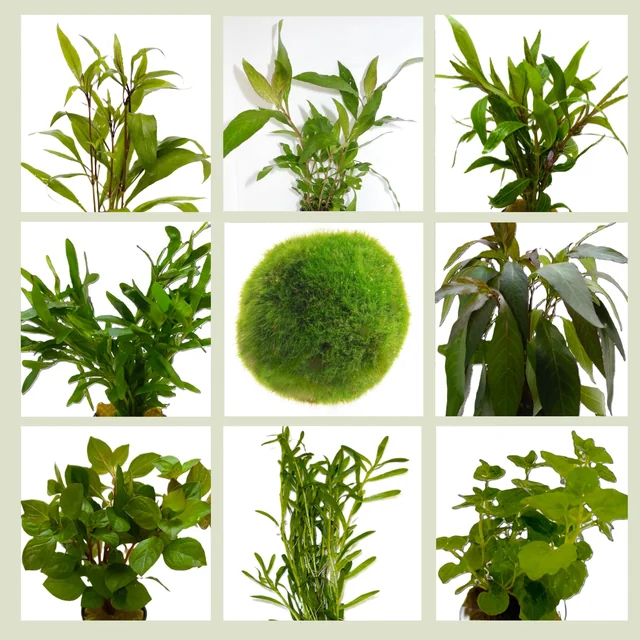
No product needed – the action is enough.
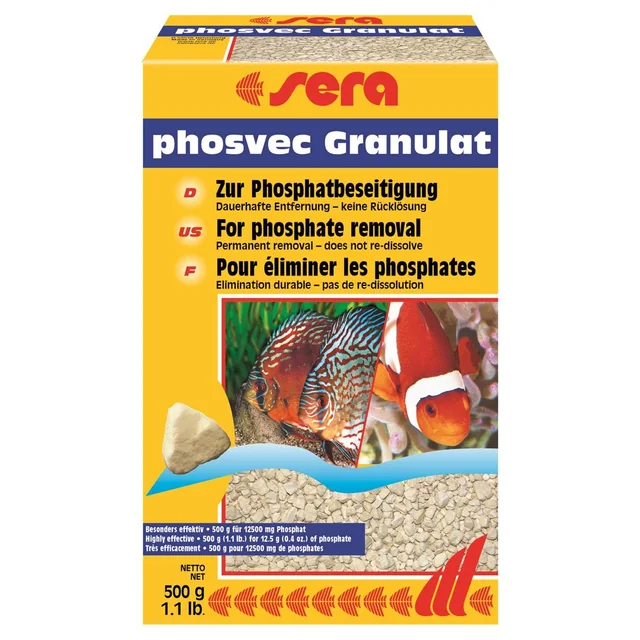
PhosphateTarget value below 0.1 mg/lPowerful algae fertiliser. Gets into the tank mainly via food and sometimes via tap water.
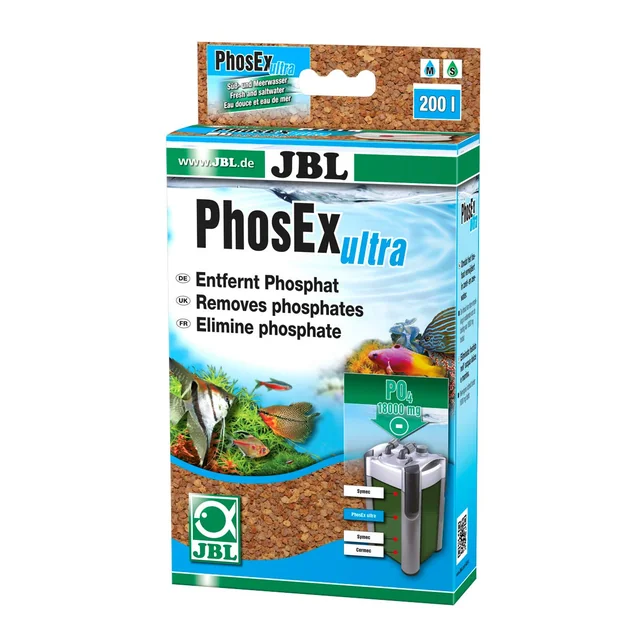

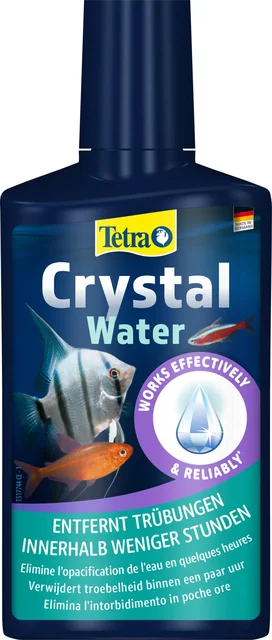
Cloudy waterMilky white is usually a bacterial bloom; greenish points to floating algae.

AlgaeAlgae almost always indicate an imbalance between light and nutrients.
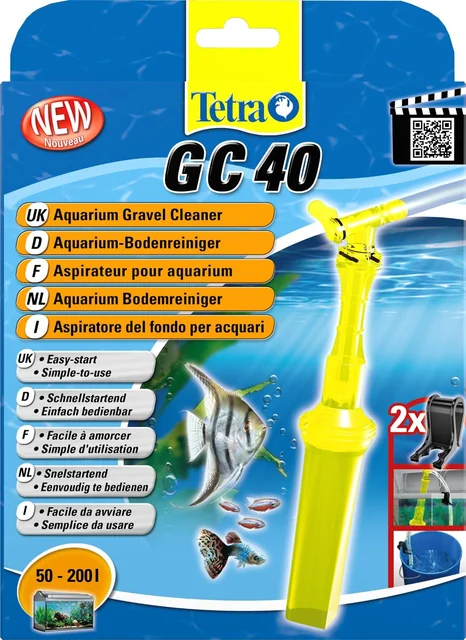
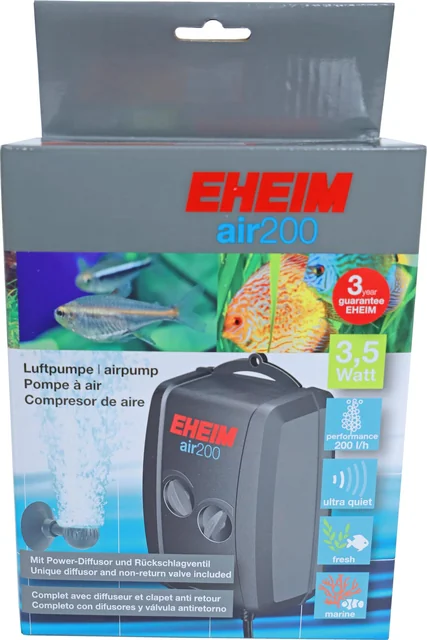
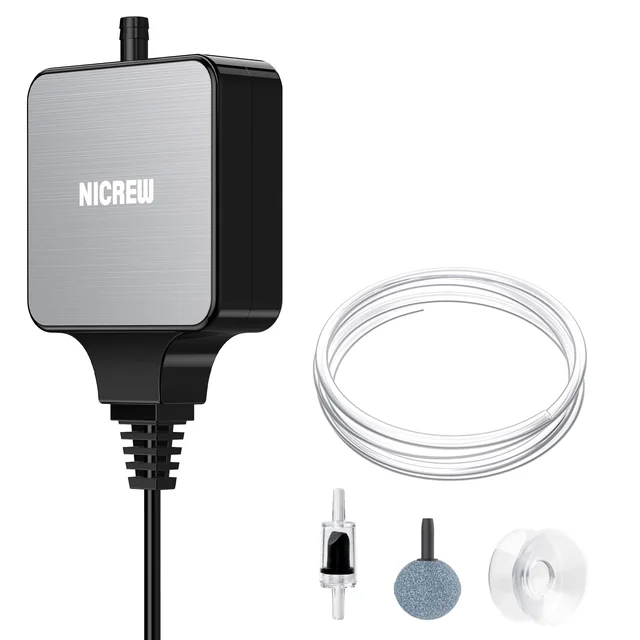
Fish at the surfaceIf fish hang at the top and gasp for air, oxygen is lacking – or nitrite and ammonium are too high.

Garden pond
Fish and ornamental pond
pH levelTarget value 6.5–8.5Fluctuates during the day – always measure at the same time, ideally in the morning.
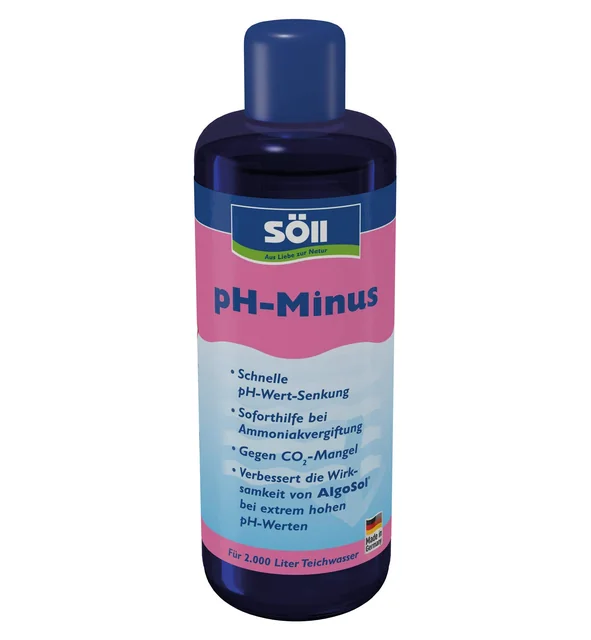
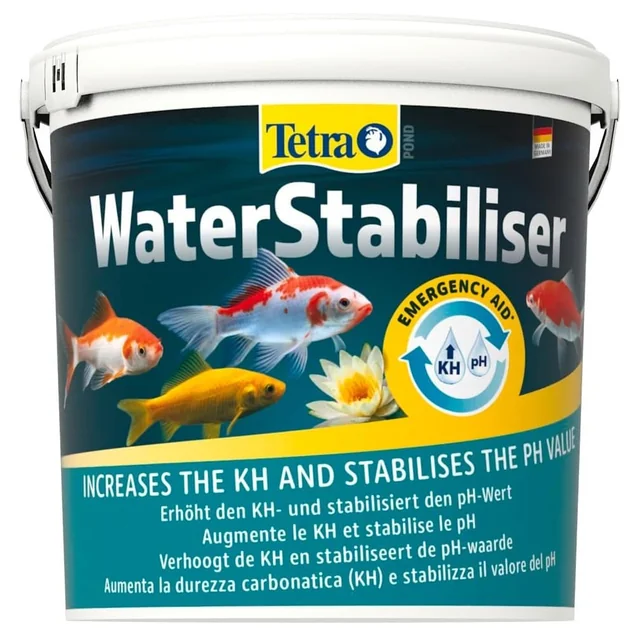
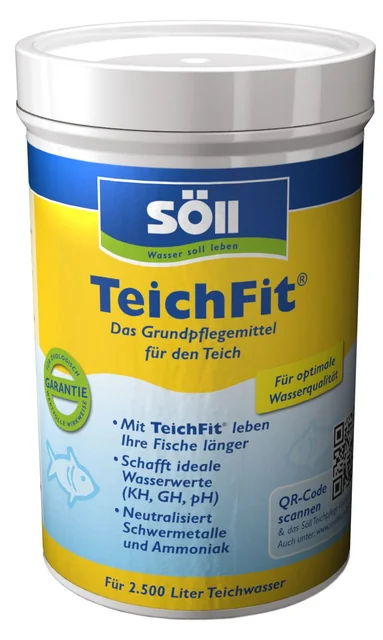
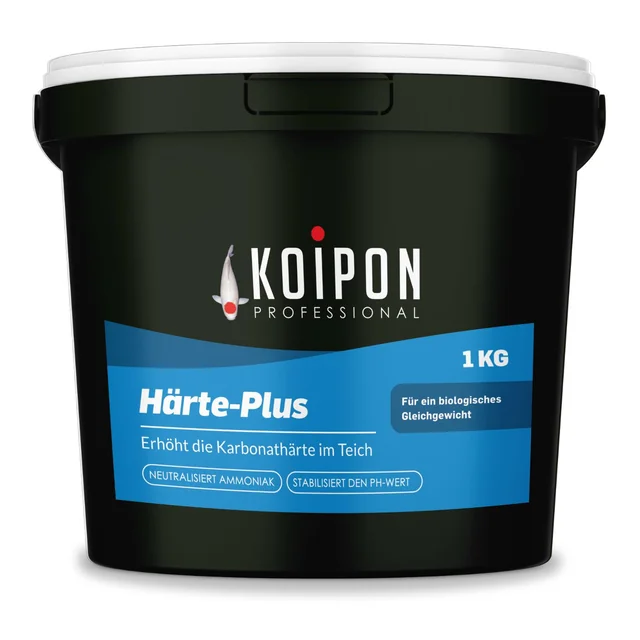
Carbonate hardness (KH)Target value min. 5 °dHRain and the filter use up KH. Below 4 °dH, the pH is no longer reliably buffered.
Total hardness (GH)Target value 6–16 °dHProvides minerals for fish and plants.
No product needed – the action is enough.
Ammonium / ammoniaTarget value ideally 0 mg/lA manufacturer considers anything above 0.25 mg/l harmful. With high pH and warmth, more of it turns into ammonia.
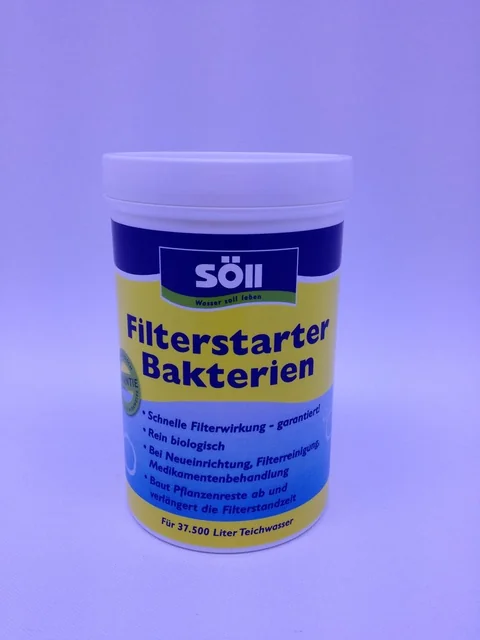
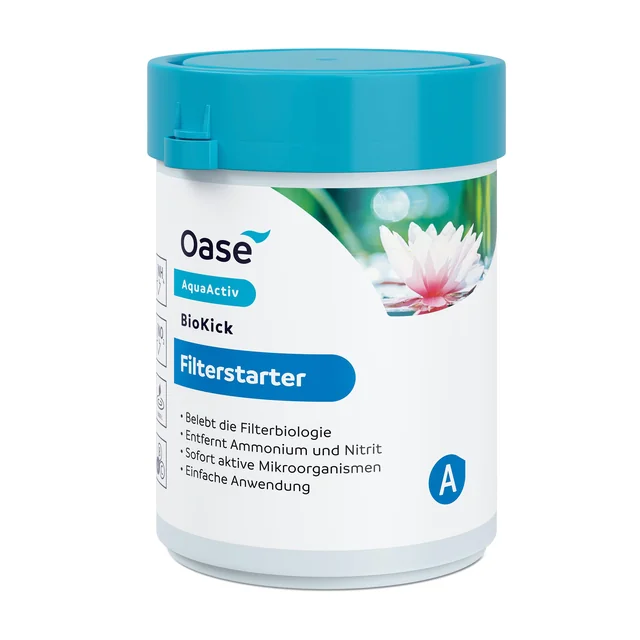

NitriteTarget value ideally 0 mg/lManufacturers give 0.05 to 0.5 mg/l as the upper limit – the closer to 0, the better.
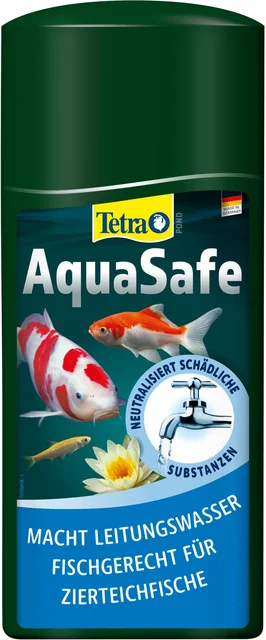
NitrateTarget value below 50 mg/lSome manufacturers recommend much less, down to 5 mg/l.
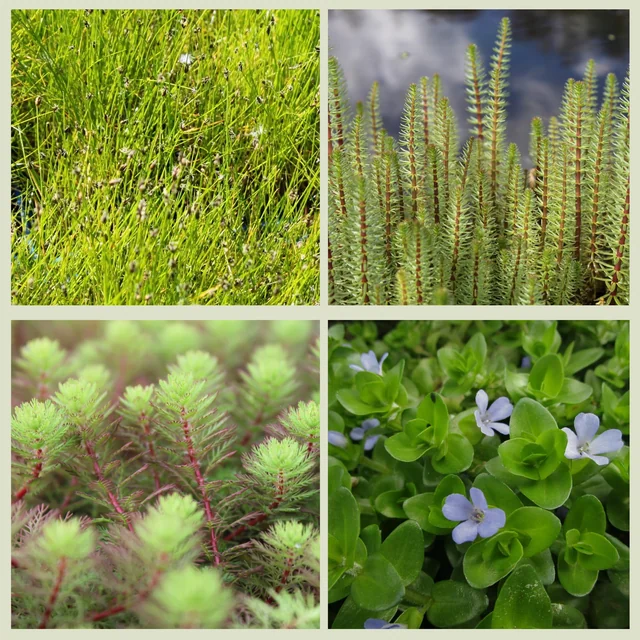
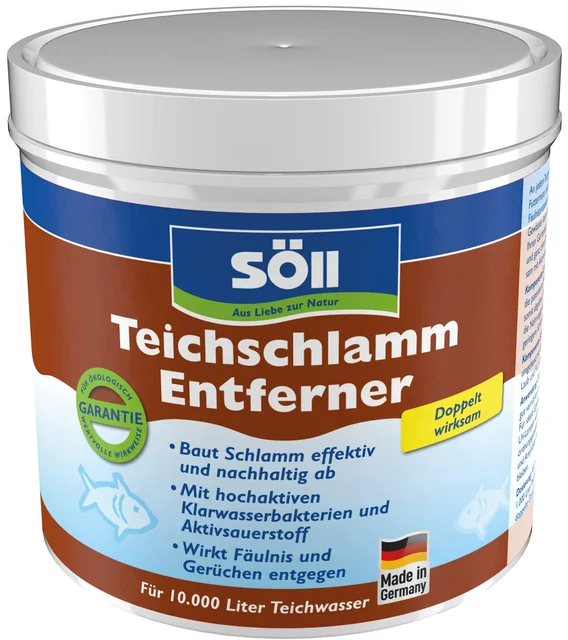
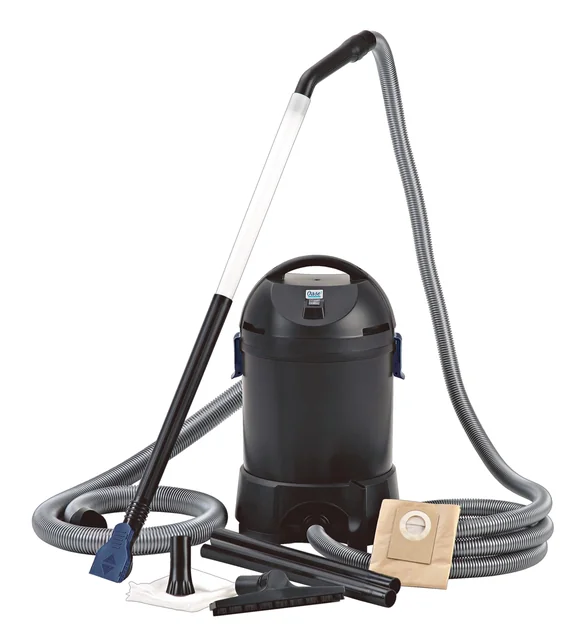
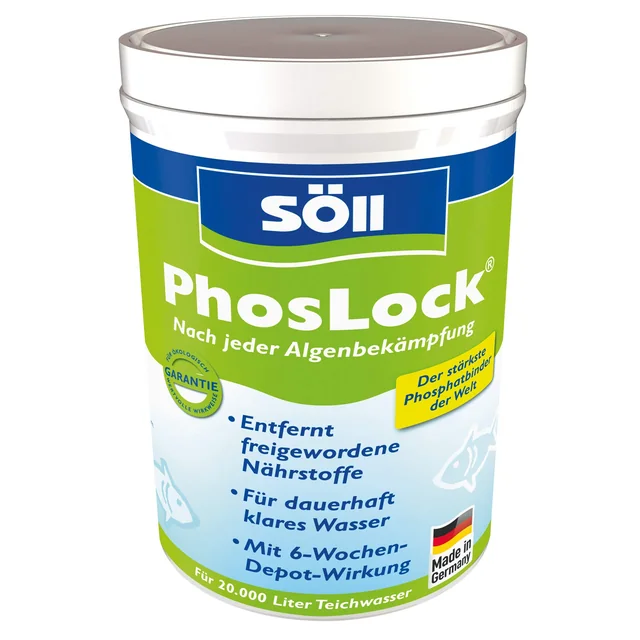
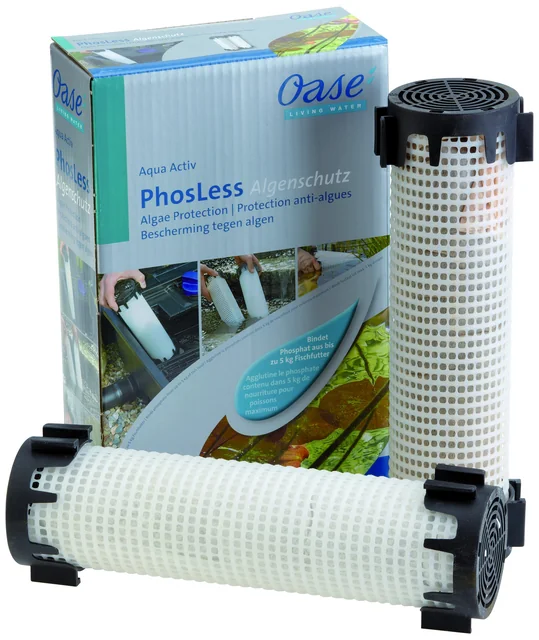
PhosphateTarget value below 0.1 mg/lThe most important nutrient for algae. Gets in via food, leaves, sludge and garden soil.
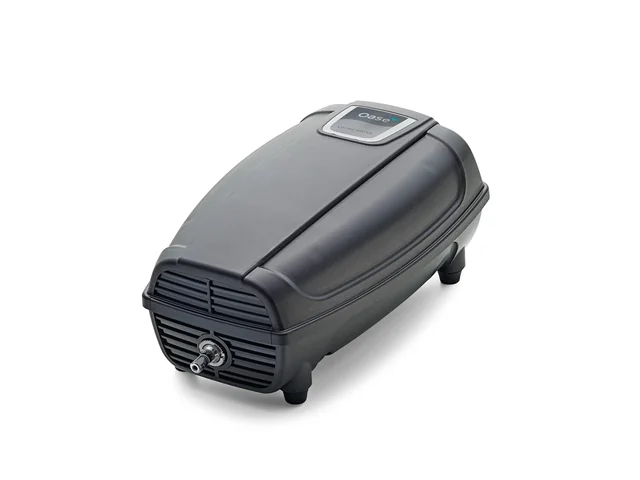
OxygenTarget value above 6 mg/lWarm water holds less oxygen. It’s scarcest at night and early in the morning.
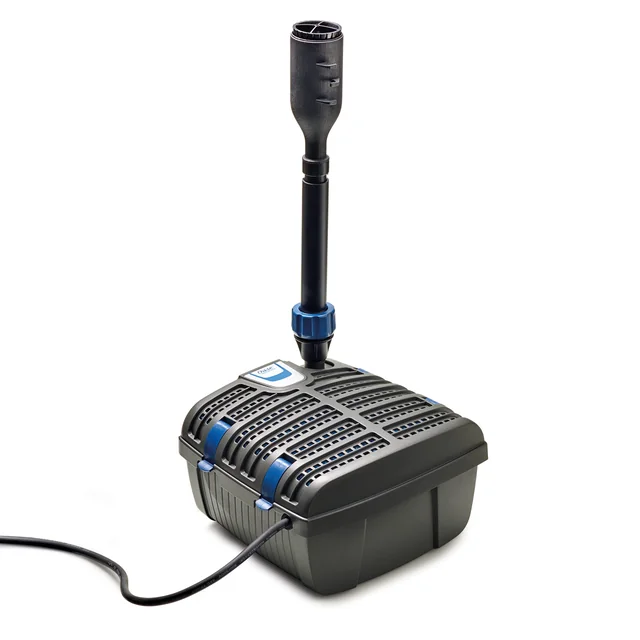
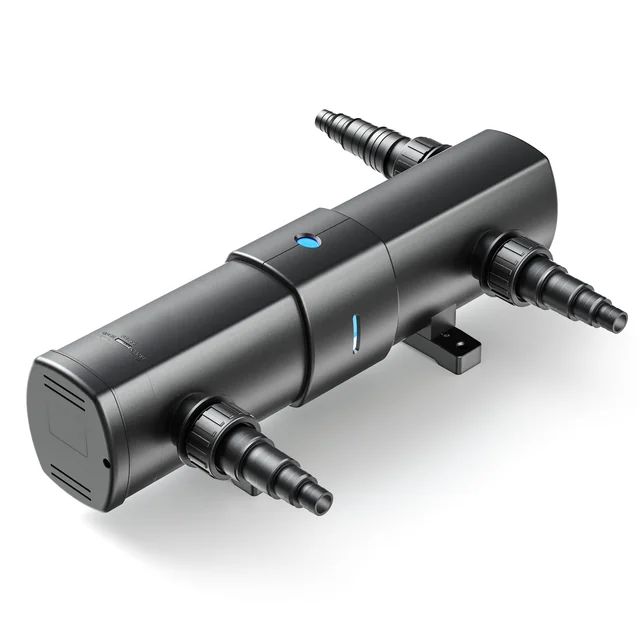
Green waterFloating algae turn the water green – often in spring and with lots of sun.
String algaeLong green threads on stones and plants – a sign of too many nutrients.
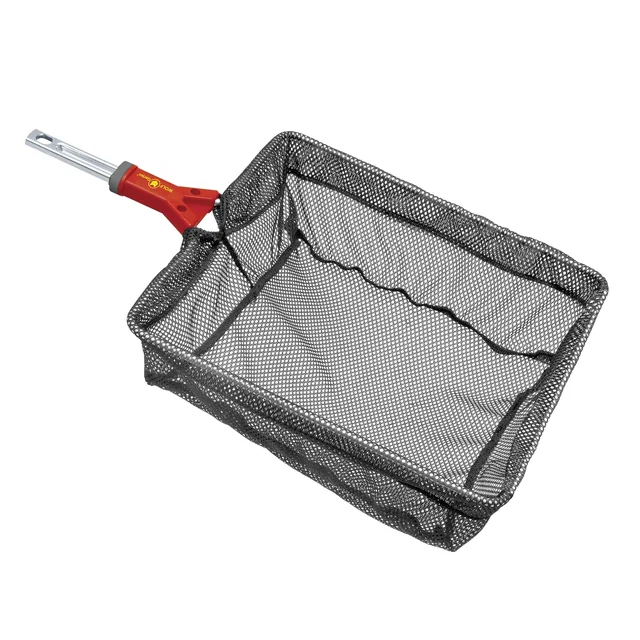
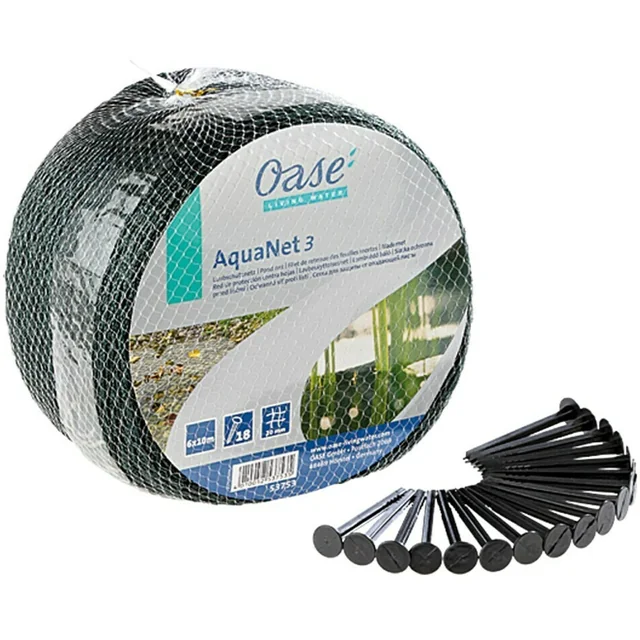
Leaves & sludgeAs leaves and sludge decompose, they release nutrients and consume oxygen.
Good to know
- The ranges are target values from aquarium and pond manufacturers – there are no official limits for aquariums and garden ponds. Sensitive species often need narrower ranges.
- Change values in small steps over several days, never all at once. Always dose care products as per the label and measure again afterwards.
- Our test strips measure pH level, KH, GH, nitrite and nitrate. They don’t measure ammonium, phosphate or oxygen – you need a separate test for those.
Advertising: As an Amazon Associate we earn from qualifying purchases.
* You can see the current price directly on Amazon – it can change at any time; the price shown at the time of purchase applies.
Sources: target values and instructions from manufacturers of aquarium, pond care and water analysis products, a veterinary office leaflet on fish ponds in summer, manufacturers’ product details on Amazon. There are no official limit values for aquariums and garden ponds. As of: October 2026.
Help or advice — feel free to get in touch
Phone: 0800 8727 739
Real people no hold queue — we’re here for you personally.
Mon–Fri 9:00–15:00 · free of charge
Email: info@smardy-blue.com
Drop us a line — we usually reply to every message personally within 24 hours.
Contact us
Still have a question? Through our contact form you’ll quickly find the right answer.