

Home › Guide
Water testing guide: find the right test
Understand water values, choose the right method, measure correctly.
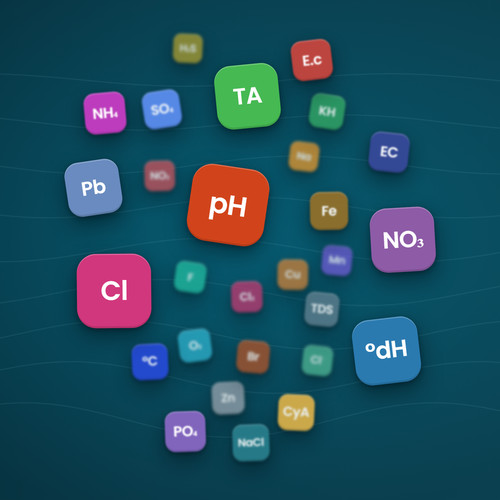 knowTest methods comparedStrips · drops · digital
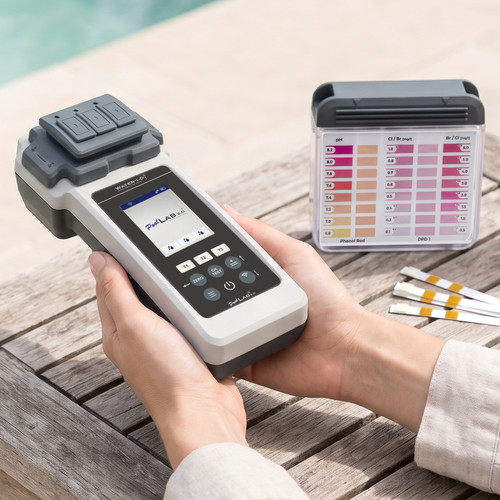 guideHow often to test?Frequency by area
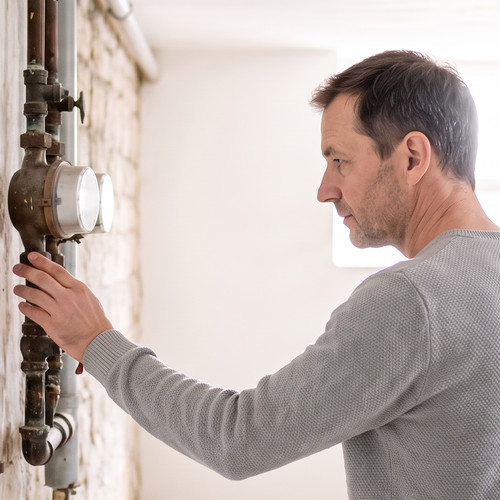
 guideTap water safe?Limits & lead
 guideThe pH value explainedThe base value
 know
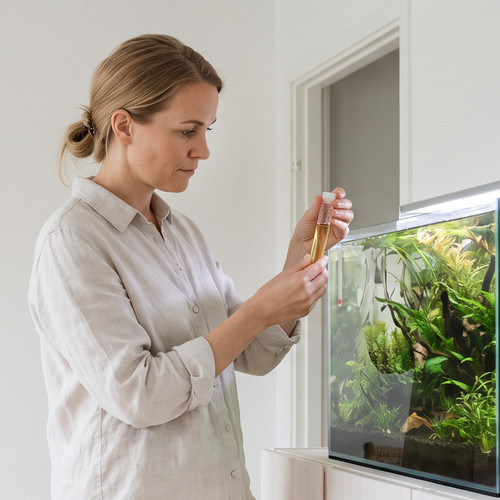
Which water test suits you depends on what and how precisely you want to measure. Test strips give a quick overview of several values, shake testers with tablets measure more accurately, photometers more precisely still, and digital meters read pH, TDS or salt directly. For everyday use, test strips are usually sufficient.
Guide
All guide topics
Pool & spa Measure, understand and maintain – specifically for pools and hot tubs.
Basics for every area Methods, frequency and the most important values – applies to any water.
Drinking water & home Tap, well and coffee machine – what you can check yourself.
Basics for every area Methods, frequency and the most important values – applies to any water.
Aquarium & pond From cycling to the garden pond – values for fish and plants.
Basics for every area Methods, frequency and the most important values – applies to any water.
In brief
Which value means what?
Choose your area – the six most important values with their ideal range and what helps when a value is off.
Test every time · Disinfection pH and free chlorine 2–3× a week, total chlorine weekly
too lowcorrosive, irritates eyes & skin
too highcloudy water, scale, chlorine weaker
TippH minus lowers, pH plus raises
too lowdisinfection too weak, algae possible
too highodour, irritates skin & eyes
Tiptop up or reduce chlorine
too lowharmless, no lower limit
too highchlorine odour & eye irritation
Tipcarry out shock chlorination
Water balance keeps pH and chlorine stable – alkalinity every 1–2 weeks, cyanuric acid and hardness monthly
too lowpH swings a lot
too highcloudiness, pH hard to lower
Tipalkalinity plus or pH minus
too lowchlorine burns off fast
too highchlorine lock, no longer works
Tipstabiliser or replace water
too lowcorrosive, foams
too highscale, cloudy water
Tiphardness plus or descaler
Everyday · hardness, pH and chlorine for taste, limescale and household appliances – chlorine only if your water supplier chlorinates
too lowtastes flat, slightly corrosive
too highlimescale in kettle, pipes & appliances
Tipfilter or softener for hard water
too lowacidic, can dissolve metals
too highsoapy taste, limescale spots
Tipusually managed by the utility
too lowharmless, no lower limit
too highchlorine taste & smell
Tiplet the water sit briefly
Limits · nitrate, nitrite and lead drinking water regulations set a limit for these substances
too lowharmless, no lower limit
too highabove 50 mg/l — above the limit
Tipwith your own well, test regularly
too lowharmless, no lower limit
too highsign of bacteria, max. 0.5 mg/l
Tiplet the water run, test again
too lowharmless, no lower limit
too highabove 0,01 mg/l — above the limit
Tiplet stagnant water run off in the morning
Water basics · pH, KH and GH the tank’s basic values – carbonate hardness keeps the pH stable
too lowacidic — fish under stress
too highalkaline — ammonia turns more toxic
Tipwater change, keep KH stable
too lowpH tips easily (pH crash)
too highpH hard to lower
TipKH-Plus or water change
too lowtoo soft for many fish
too hightoo hard for soft-water species
Tipmatch to your fish stock
Nitrogen · ammonium, nitrite, nitrate show where the nitrogen cycle stands – measure daily during cycling
too lowharmless, no lower limit
too hightoxic — especially at high pH
Tipwater change now, check filter
too lowharmless, no lower limit
too highhighly toxic to fish
Tipwater change, feed less
too lowharmless, no lower limit
too highfeeds algae, stresses fish
Tipchange water regularly, add plants

Pure water — from a single source
From reverse osmosis to water testing: water expertise from smardy blue.
To smardy blueQuick answers
Common questions
It depends on what and how precisely you want to measure. Test strips give a quick overview of several values, shake testers with tablets measure more accurately, photometers are very precise, and digital devices read pH, TDS or salt directly. For everyday use, test strips are usually completely sufficient.
Photometers are considerably more accurate than test strips because they evaluate the sample's colour electronically instead of by eye. Test strips, on the other hand, give a good overview in seconds and are ideal for quick routine checks. Anyone who needs exact figures, for example in a pool or aquarium, is better off with a photometer or shake tester.
It depends on the use: check pool water several times a week, aquarium water weekly and daily while cycling. For tap water it's enough to test once for the current state and then again when something changes, such as a move or a new taste. Regular measurements prevent problems before they become visible.
Yes, multi test strips show several values in a single step – depending on the strip, for example pH, hardness, nitrate, nitrite and chlorine. That saves time and gives you a quick overall picture. For individual values you need especially precisely, you can supplement the strip with a single test as required.
First it helps to confirm the abnormal value with a second test and narrow down the cause. Depending on the value, suitable measures follow: top up pH and chlorine in the pool, do a partial water change in the aquarium, or let the standing water run off with tap water. If problems persist, a laboratory analysis is worthwhile.
Test strips and photometers give you a quick, reliable overview for everyday use. But as soon as you need legally sound values – for example when buying a house, to approve well water or if contaminants are suspected – the way forward is an accredited laboratory analysis. It confirms the values officially and far more precisely.
Help or advice — feel free to get in touch
Phone: 0800 8727 739
Real people no hold queue — we’re here for you personally.
Mon–Fri 9:00–15:00 · free of charge
Email: info@smardy-blue.com
Drop us a line — we usually reply to every message personally within 24 hours.
Contact us
Still have a question? Through our contact form you’ll quickly find the right answer.