


In a garden pond, the key values are pH and KH, plus ammonium, nitrite and nitrate; with algae, also phosphate, and on warm days oxygen. Test every 1–2 weeks in season, at the start of spring and after heavy rain or a water change. Measure at the same time of day each time, as the pH rises during the day.
Good to know
What moves the values in a pond
A pond is a small cycle: food, leaves and waste turn into ammonium, bacteria turn that into nitrite and then nitrate, and plants and algae take up nitrate and phosphate. As long as this cycle runs smoothly, the water stays clear. A test shows you where it gets stuck – often long before you see anything.
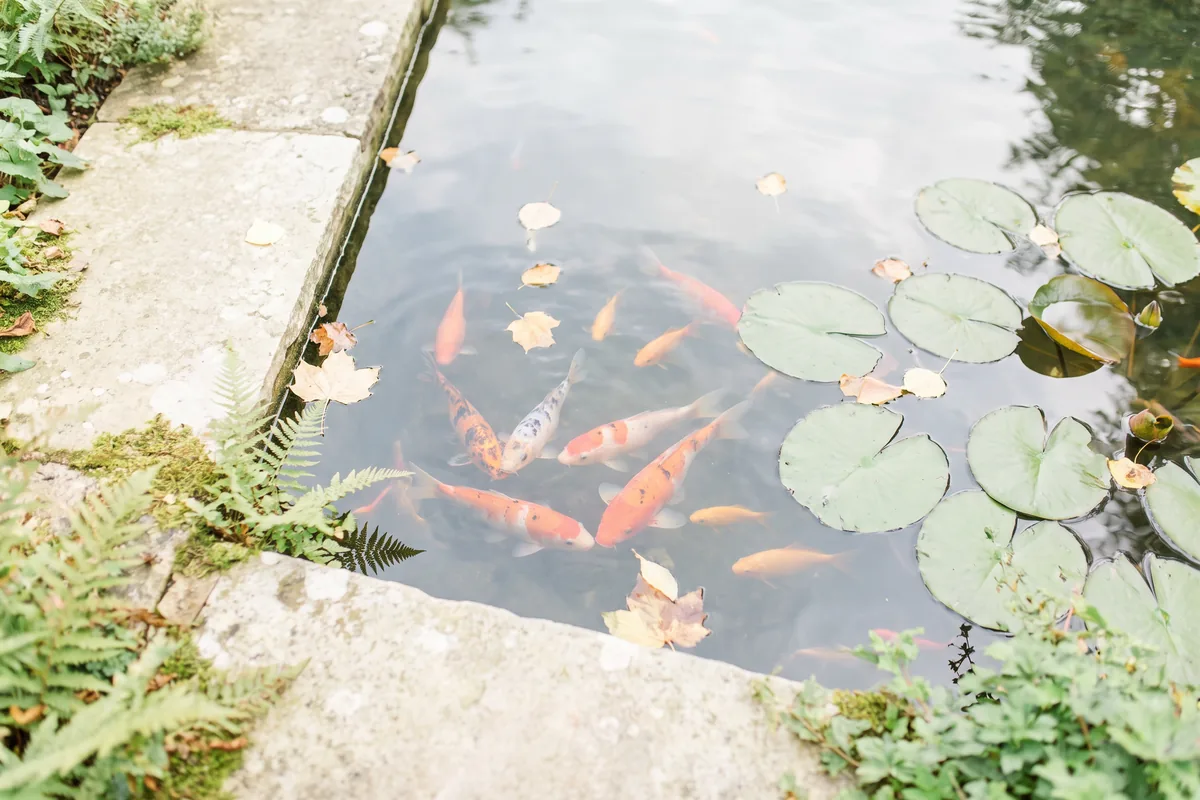
From food to nitrate
- Ammonium (NH₄): Forms when food remains, leaves and waste break down. The higher the pH level and temperature, the more of it is present as toxic ammonia (NH₃) – at pH 7 and 20 °C it is around 0.4 %, at pH 9 already around 28 %.
- Nitrite (NO₂): An intermediate stage that filter bacteria break down further. If it rises, the bacteria can’t keep up – for example in spring or after a thorough filter cleaning.
- Nitrate (NO₃) and phosphate (PO₄): The end point of the breakdown. Both are nutrients – for plants, but also for algae.
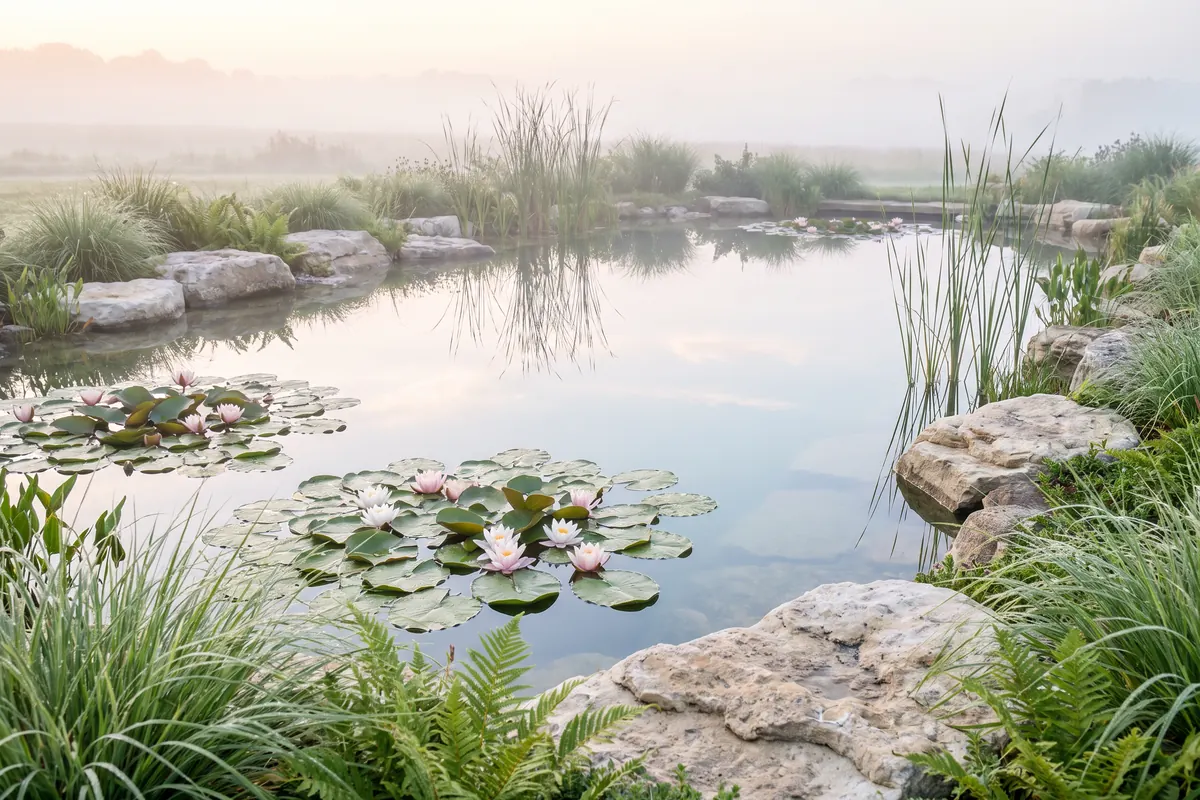
pH level and KH: the buffer in the pond
During the day, algae and plants consume carbon dioxide and the pH level rises. At night this reverses. How much the pH level fluctuates depends on the carbonate hardness (KH): it acts as a buffer. If it is too low, the pH level can jump sharply: a manufacturer states that with a KH below 4 °dH and lots of algae, values can be below 6 in the morning and above 10 in the evening.
Rainwater has hardly any KH and dilutes the buffer. So check the KH especially after a lot of rain – and always measure the pH level at the same time of day so you can compare the values.
Target values
Keep an eye on these values
There are no official limits for garden ponds. The ranges come from manufacturers’ information for ponds with fish. Where manufacturers differ, it says so on the tile.
6.5–8.5
Fluctuates over the day – always measure at the same time. A manufacturer states 7.5–8.5 for ponds.
at least 5 °dH
Buffers the pH level. Rain and the filter use it up – raise it below 4 °dH.
6–16 °dH
Stands for calcium and magnesium in the water. Changes slowly.
ideally 0 mg/l
A manufacturer considers anything above 0.25 mg/l harmful. With a high pH level and warmth, toxic ammonia forms.
ideally 0 mg/l
Rises when the filter bacteria can’t keep up. Manufacturers state 0.05 to 0.5 mg/l as the upper limit.
below 50 mg/l
Food for algae. Some manufacturers advise much less, down to 5 mg/l.
below 0.1 mg/l
The most important nutrient for algae. Ideally the value is barely measurable.
above 6 mg/l
Warm water holds less: up to 11.3 mg/l at 10 °C, only 8.2 mg/l at 25 °C. Lowest in the early morning.
You can find all values with scale and measuring method in the water values overview. To the water values
Seasonal plan
What to measure when
In a pond, the values change with the seasons. With this plan you measure the right thing at the right time.
Spring
Start of season
- Measure all values once in full
- Measure weekly, especially nitrite
- Filter bacteria only work properly once the water is warmer
Summer
Main season
- pH level, KH, nitrite and nitrate every 1–2 weeks
- Watch the oxygen in the early morning, keep the filter running at night too
- Check KH and pH level after heavy rain
Autumn
Leaf season
- Keep leaves out or fish them out
- Check nitrate and phosphate
- Reduce feeding as the temperature drops
Winter
Rest period
- Keep a hole in the ice open – don’t break it open
- Measure less often, the values change slowly
- Keep the filter running or winterise it according to the manufacturer
Step by step
How to measure your pond water correctly
A test is only as good as the sample. This is how you get values you can compare.
- 1
Choose the right spot
Take the sample well below the surface and not right at the filter outlet or where you have just topped up.
- 2
Always at the same time
The pH level and oxygen change over the day. Always measure at the same time – oxygen ideally in the early morning.
- 3
Rinse the container first
Rinse a clean glass several times with pond water. Traces of washing-up liquid or tap water distort the result.
- 4
Take out a fresh strip
Only take the strip out of the container right before measuring, close it again immediately and don’t touch the test pads.
- 5
Observe the waiting time
Dip the strip as instructed, keep exactly to the waiting time and compare the colours with the scale in daylight – with our strips after 60 seconds.
- 6
Note down the values
Add the date, time and weather. That way you can see whether a value is slowly drifting – and what is moving it.
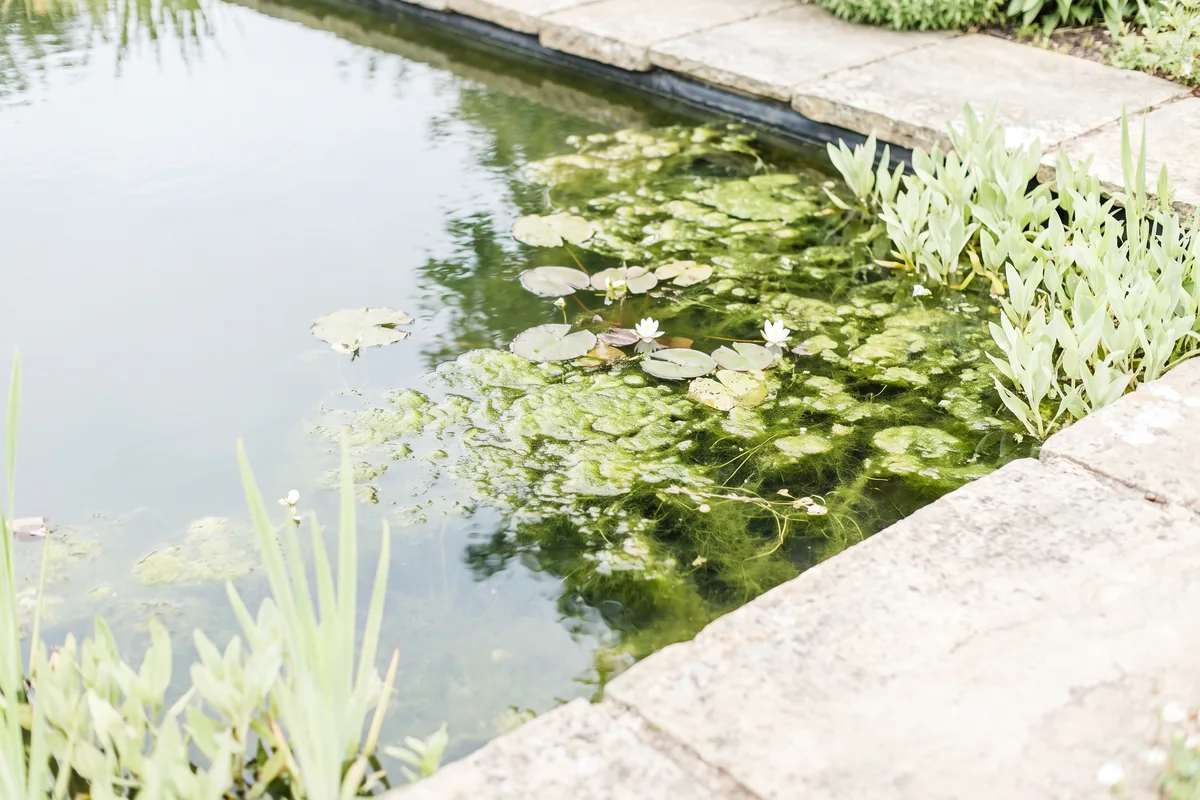
Green or cloudy water
- Measure first: An algal bloom is usually caused by lots of phosphate and nitrate – and lots of sun.
- Reduce nutrients: Feed less, remove leaves and sludge, bind phosphate if needed.
- Use plants: Submerged and floating plants take up nutrients and provide shade.
- UVC clarifier: In the filter circuit it helps against floating algae – but the nutrients remain the cause.
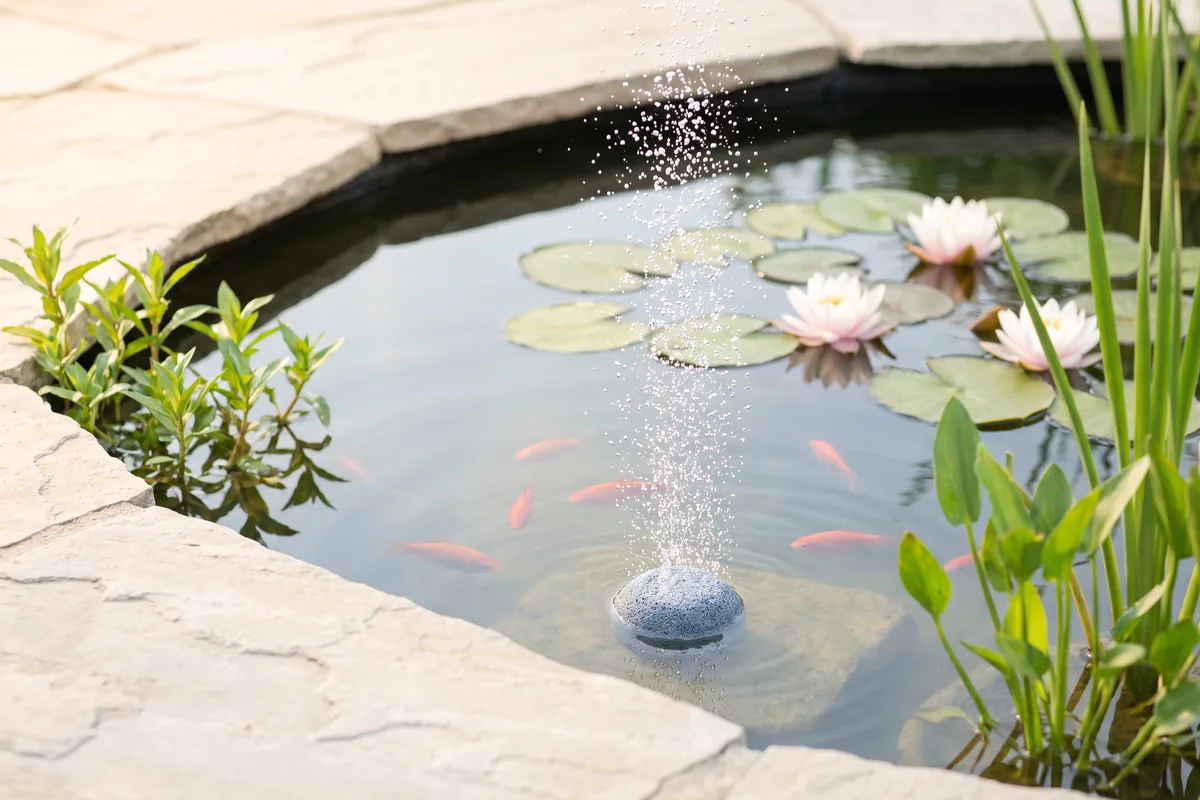
Fish at the surface
If fish stay at the surface in the early morning and gasp for air, oxygen is often low. This happens especially on warm, humid nights when plants and algae use up oxygen themselves.
Then get the water moving right away – keep an aerator, water feature or filter running at night too – and don’t feed that day. Afterwards measure nitrite as well: too much nitrite shows in the fish much like a lack of oxygen. As a rule of thumb for aerators, a veterinary office states about a quarter of the pond volume in air per hour.
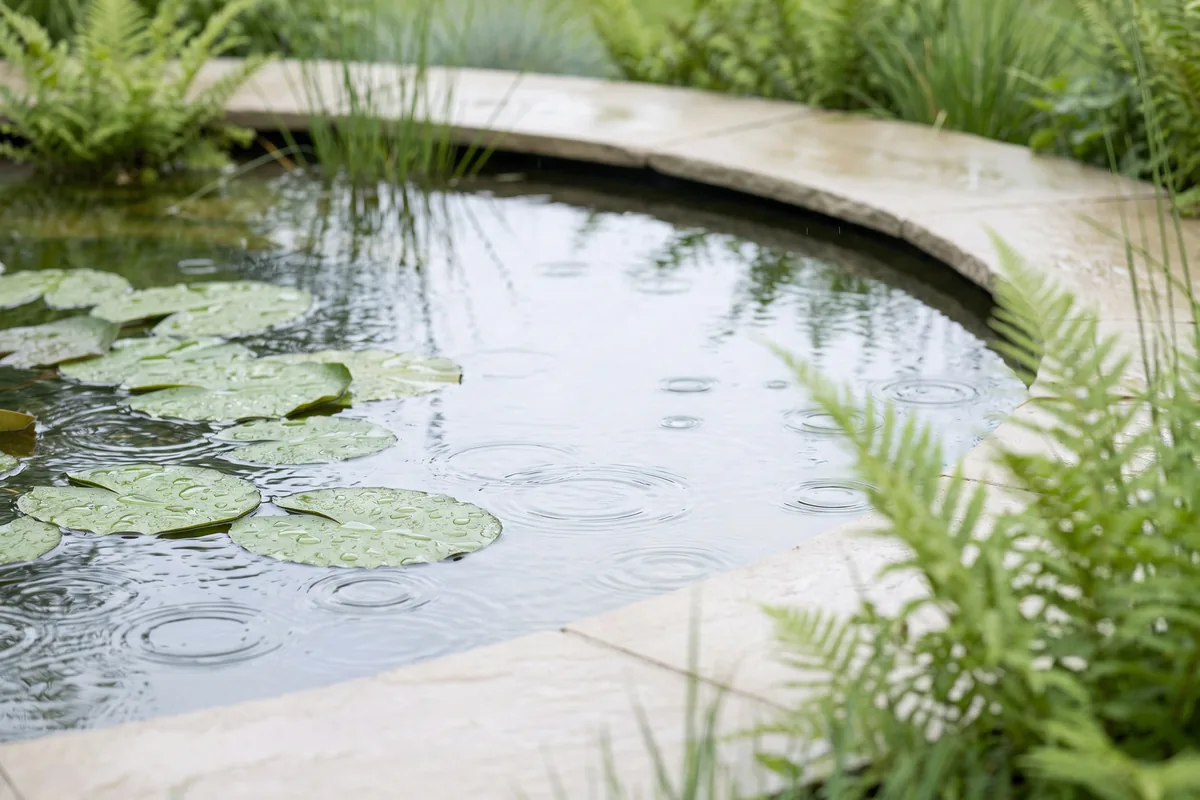
After rain or topping up
- Rain: Dilutes the KH. After heavy rain check KH and pH level and raise the KH if needed – according to a manufacturer, ideally in the evening.
- Tap water: May contain chlorine. Top up in small amounts or use a water conditioner.
- Partial water change: Little and often is better than a lot rarely – large changes shift all values at once.
- Measure again: Measure again once the new water has mixed with the pond water.
Common mistakes – and how to avoid them
- Measuring at different times of day: The pH level fluctuates over the day. Only values taken at the same time are comparable.
- Cleaning the filter completely: The filter material holds the bacteria that break down ammonium and nitrite. Clean it gently and never all at once.
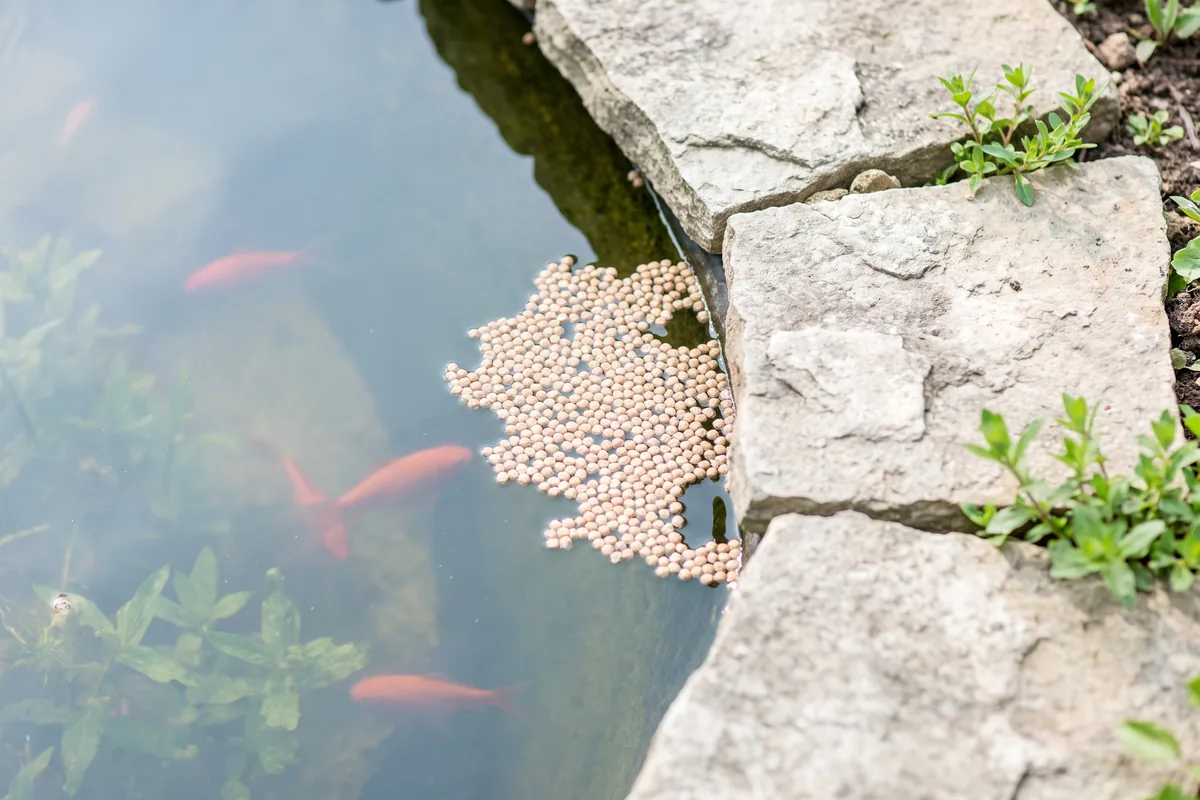
- Overfeeding: Whatever isn’t eaten within a few minutes turns into ammonium and phosphate.
- Only measuring when there are problems: Regular values show you where things are heading – before the water tips over.
- Using old test strips: Moisture distorts the test pads. Always close the container again right away and check the expiry date.
In short
In the season, measure pH level, KH, nitrite and nitrate every 1–2 weeks, always at the same time of day. After rain you look at the KH, with algae at phosphate and nitrate, on warm days at the oxygen. If you feed less, keep leaves out and care for the filter gently, you already have most values under control.
Sources:
- Pond care guides and instructions for use from manufacturers of pond care and water analysis products
- A veterinary office’s information sheet on fish ponds in summer
- Oxygen solubility tables
There are no official limits for garden ponds.
Last updated:
Products
What you need for your pond
Our test strips for the most important pond values – plus care products and accessories from other brands on Amazon.
Advertising: As an Amazon Associate we earn from qualifying purchases.
Measure regularly
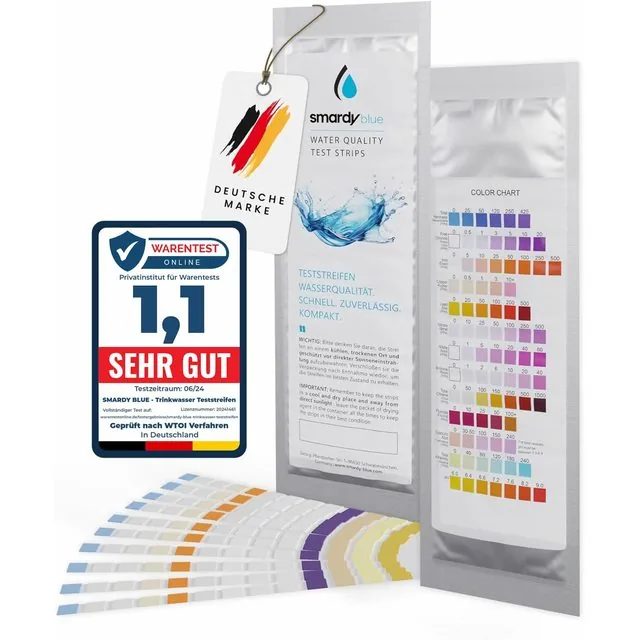
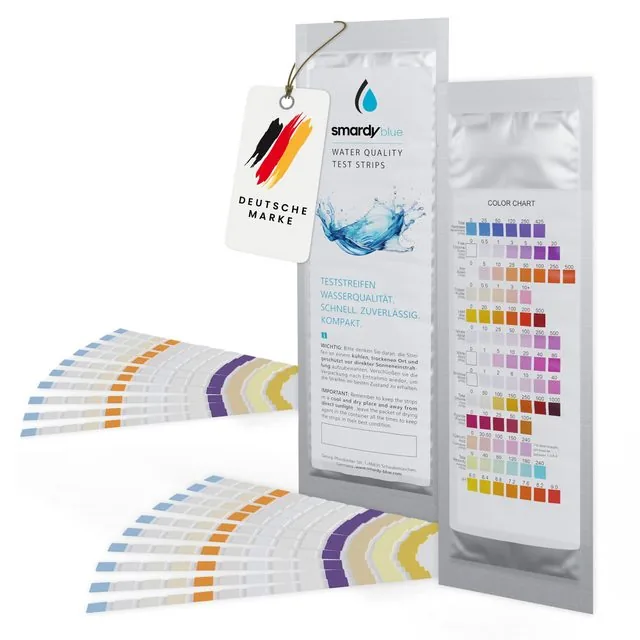
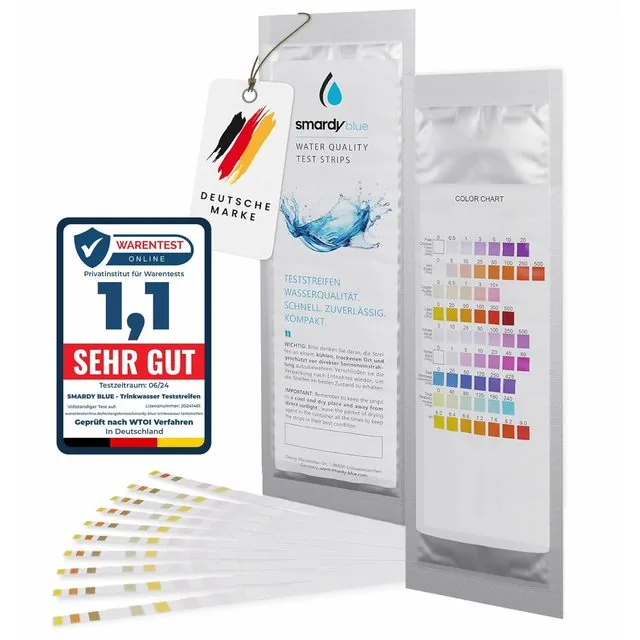
Our test strips show pH level, alkalinity (KH), GH, nitrite and nitrate in one minute. They don’t measure ammonium, phosphate or oxygen.
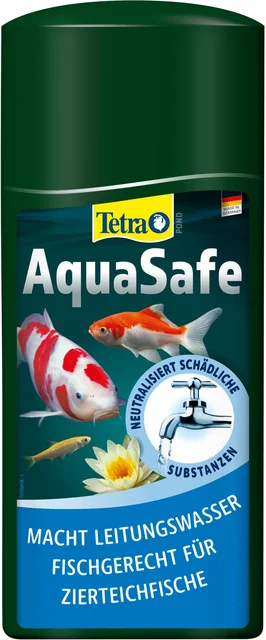
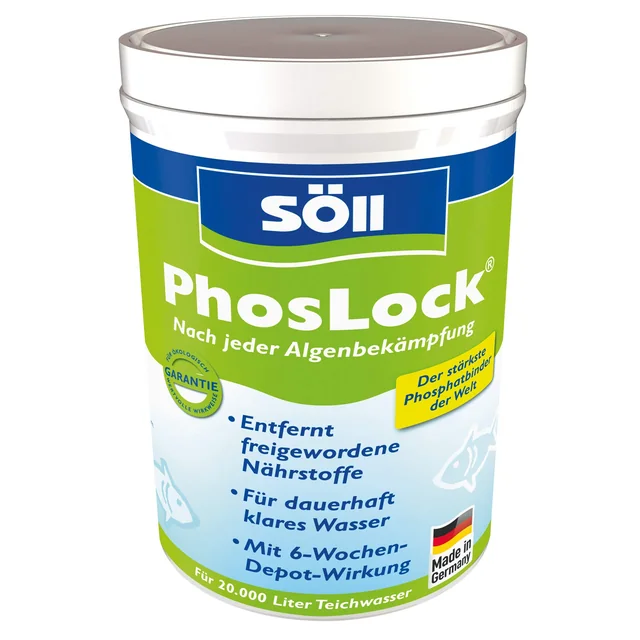
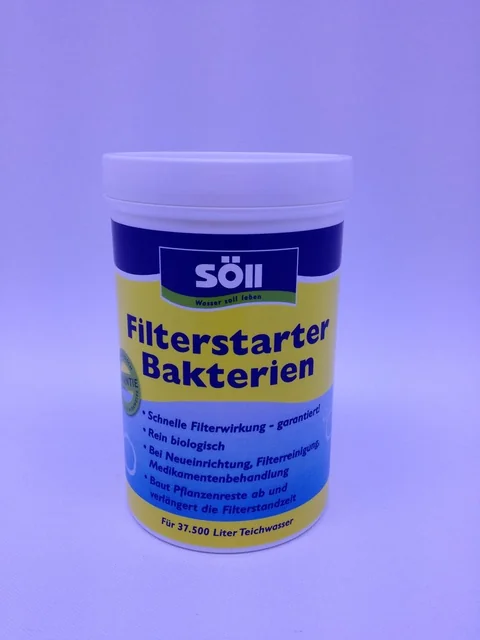
Keep values stable
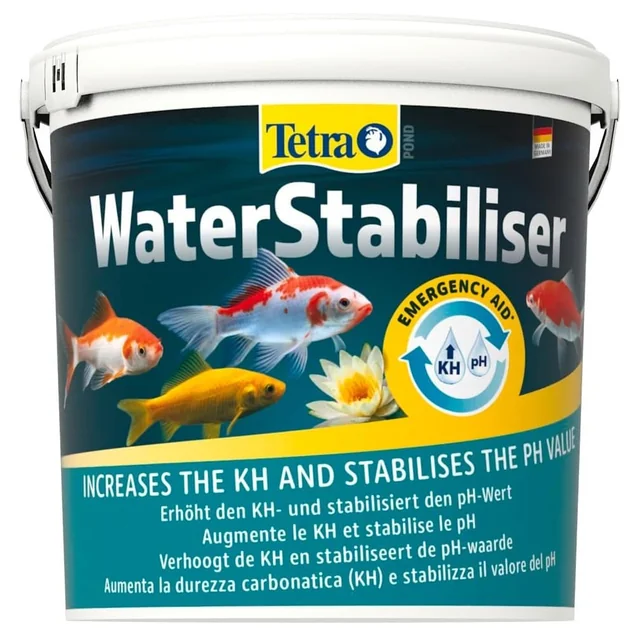
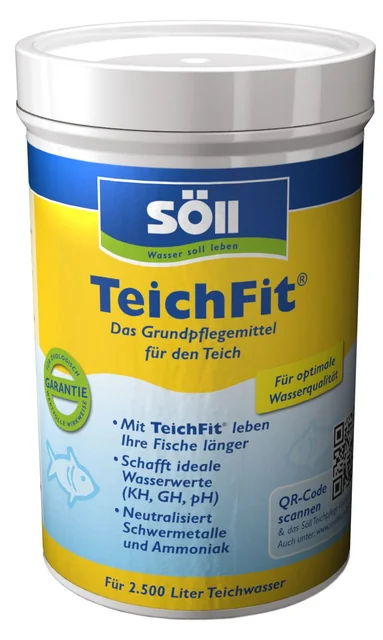
If the KH is too low, you raise it. You treat top-up water from the tap and bind phosphate. Always dose according to the label and measure again afterwards.
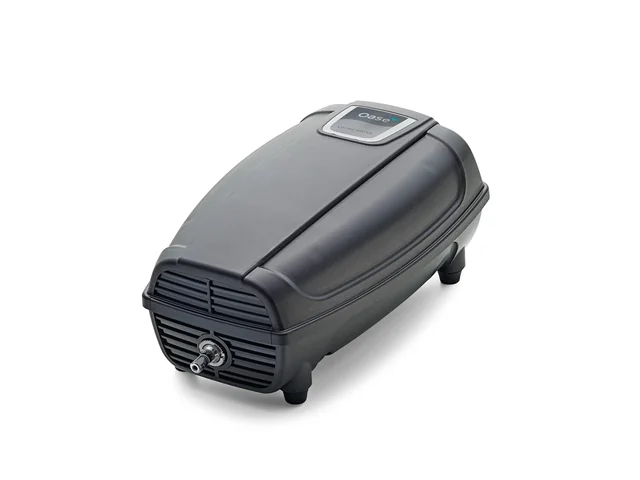
Filter and oxygen
Filter bacteria break down ammonium and nitrite when they have enough oxygen. An aerator helps on warm nights and keeps a hole in the ice open in winter.

Keep it clear and clean
Leaves and sludge bring nutrients into the water. A net in autumn and a skimmer net take work off the filter.
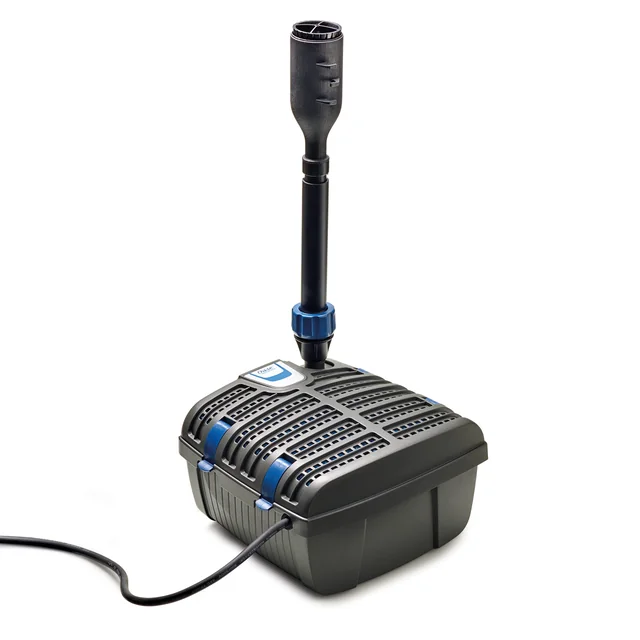
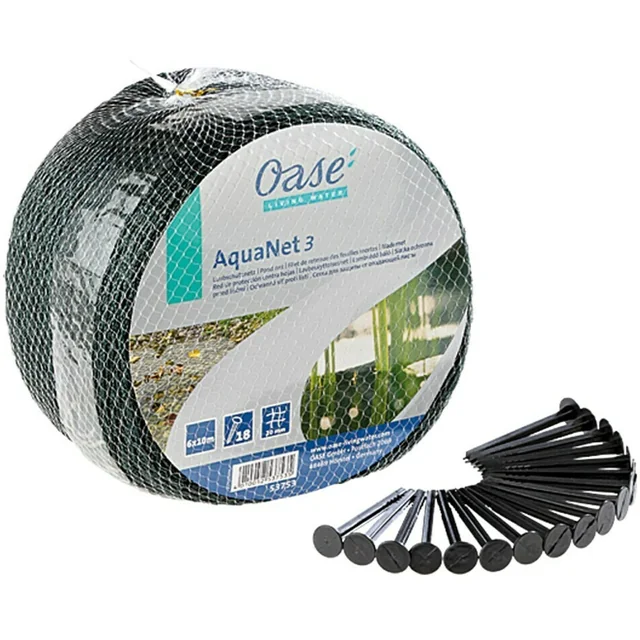
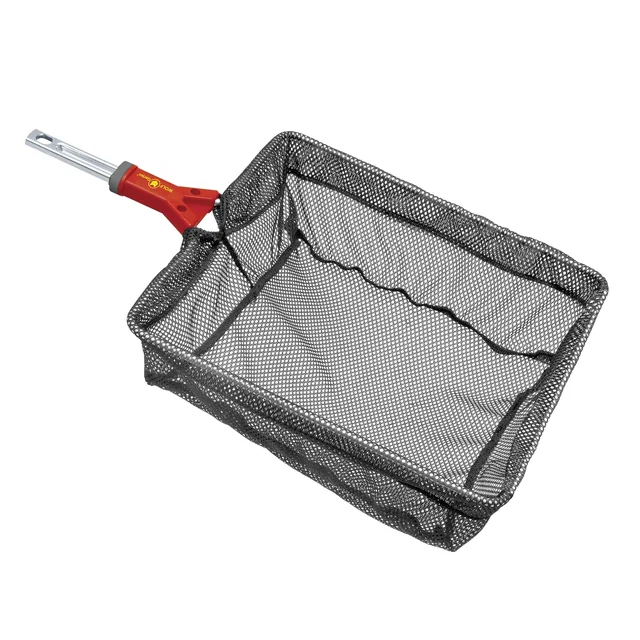
Prices are a non-binding guide and may vary; the price shown on Amazon at the time of purchase always applies.

Pure water — not just in the aquarium
From reverse osmosis to water testing: water expertise from a single source.
To smardy blueQuick answers
Frequently asked questions about testing pond water
How often should I test my pond water?
Every 1–2 weeks during the season, plus at the start of the season in spring. Also after heavy rain, after a water change, when adding new fish and whenever the water or the behaviour of the fish changes.
Which values are most important in a pond?
pH level and KH, plus nitrite, ammonium and nitrate. With algae it’s worth checking phosphate, and on warm days oxygen.
Why is the pH level higher in the evening than in the morning?
During the day, algae and plants consume carbon dioxide, which makes the pH level rise. At night it drops again. A KH of at least 5 °dH dampens this fluctuation. That’s why you should always measure at the same time.
My pond is green – what should I do?
Measure phosphate and nitrate. Feeding less, removing leaves and sludge and adding more plants lowers the nutrients. A UVC clarifier in the filter circuit helps against floating algae.
Can I use test strips for my pond?
Yes, they’re handy for regular monitoring: pH level, KH, GH, nitrite and nitrate in one minute. For ammonium, phosphate and oxygen you need a separate test.
Can I fill my pond with tap water?
Yes, but ideally in small amounts. Tap water may contain chlorine. For larger amounts, treat it with a water conditioner and measure again afterwards.
What do I do if nitrite or ammonium is elevated?
Stop feeding for now, do a partial water change and provide oxygen. A manufacturer recommends changes of about 30 % each until the value drops again. Check the filter, but don’t clean it completely, and measure again daily.
Help or advice — feel free to get in touch
Phone: 0800 8727 739
Real people no hold queue — we’re here for you personally.
Mon–Fri 9:00–15:00 · free of charge
Email: info@smardy-blue.com
Drop us a line — we usually reply to every message personally within 24 hours.
Contact us
Still have a question? Through our contact form you’ll quickly find the right answer.