

After measuring
Pool care advisor: what to do when a value is off
You've measured your water — now the advisor tells you what to do for each value and which care product fits.
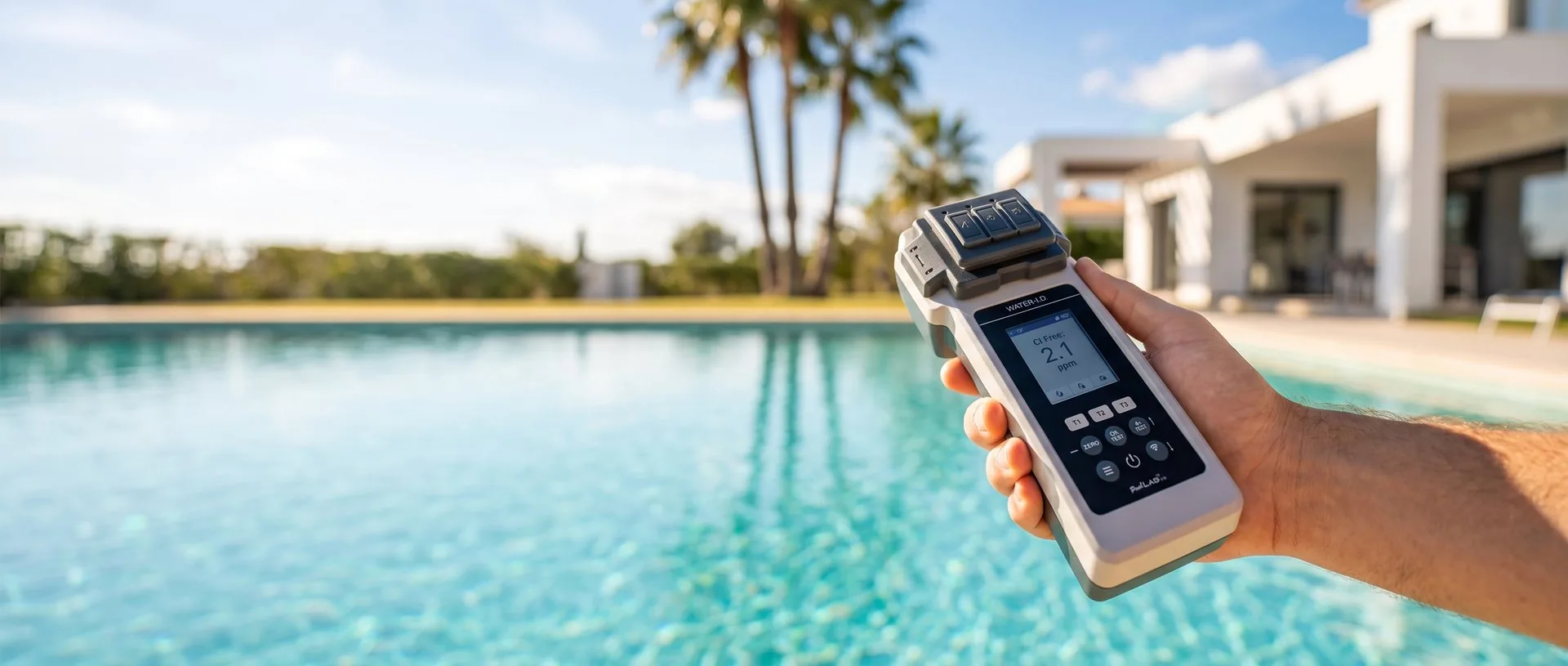
The pool care advisor tells you what to do after measuring. Choose the value that stands out – pH, free chlorine, alkalinity, cyanuric acid or water hardness – or a problem such as cloudy water or algae, then whether it is too high or too low. You see the target range, the consequence, the action and a matching care product.
All values & measures at a glance
The complete care cheat sheet — every value with both directions and the typical problem cases.
pH levelIdeal range 7,0–7,4The most important value — it decides how well the chlorine works at all.
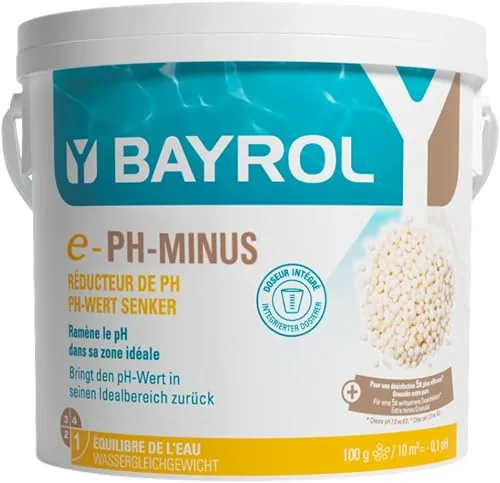

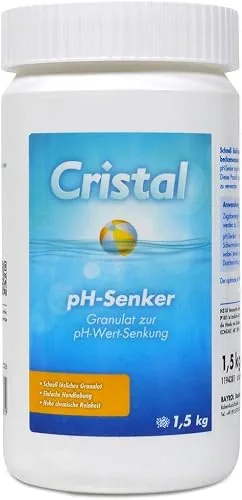

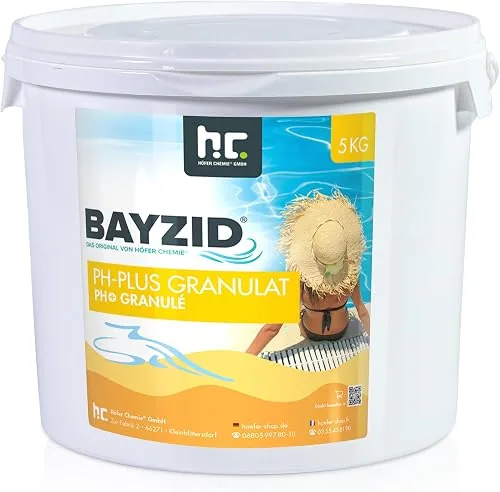
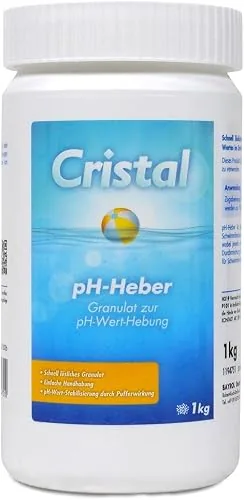
Free chlorineIdeal range 0,3–0,6 mg/lThe actual disinfection. Without chlorine the water turns; too much irritates.
No product needed — the measure is enough.
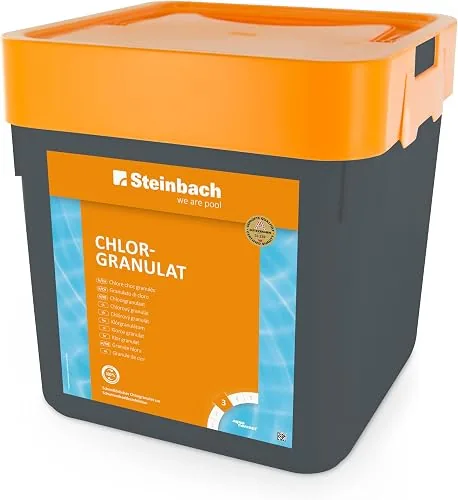
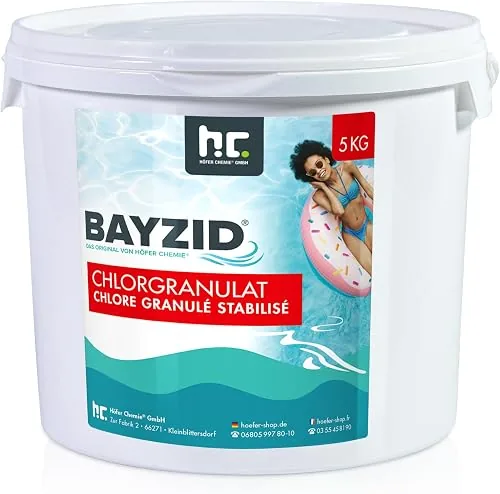
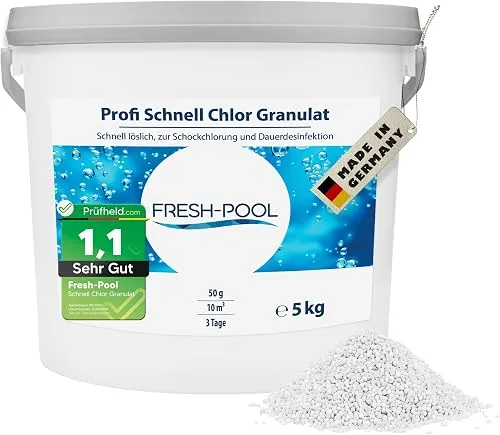
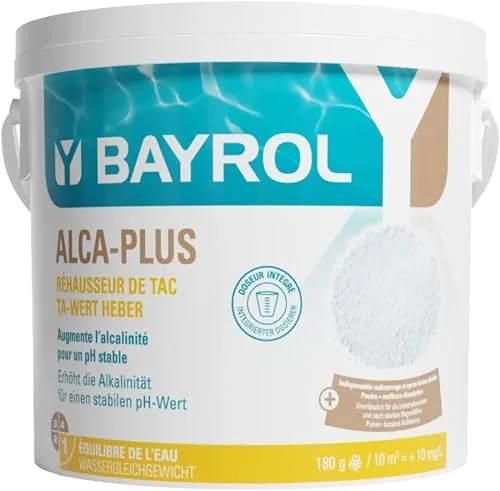
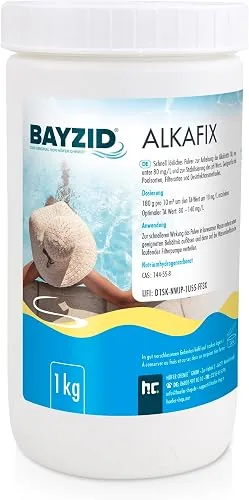
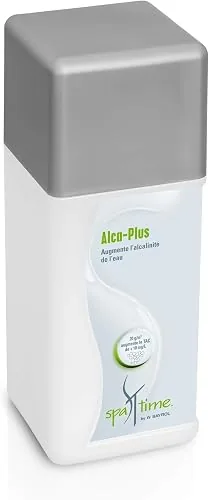
Alkalinity (TA)Ideal range 80–120 mg/lThe buffer that keeps the pH stable. If the pH keeps jumping, the TA is usually to blame.
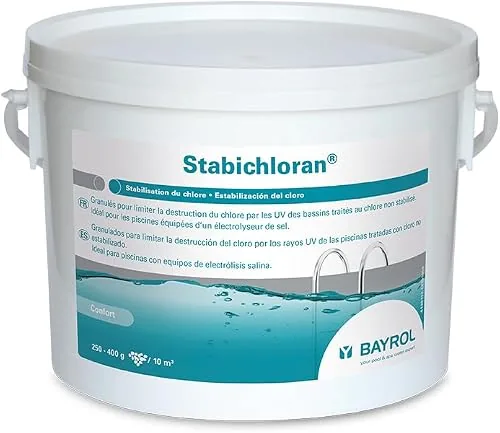
Cyanuric acid (stabiliser)Ideal range 30–50 mg/lProtects the chlorine from UV radiation. Too little: chlorine evaporates; too much: chlorine becomes sluggish.
No product needed — the measure is enough.
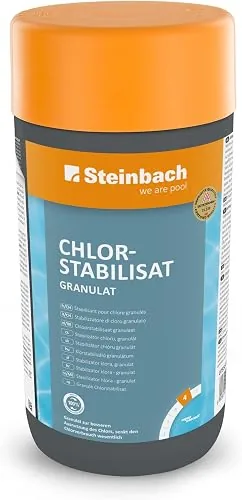
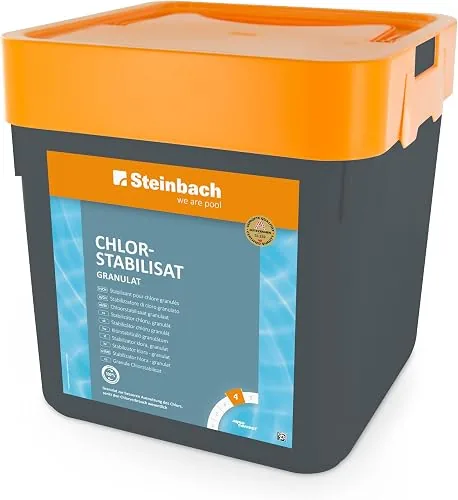
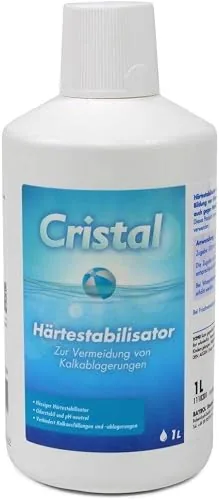
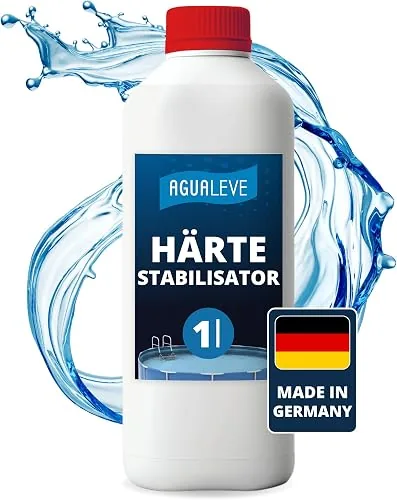
Water hardness (calcium)Ideal range 8–14 °dHWater that's too soft attacks materials, water that's too hard scales up walls, ladder and equipment.

Cloudy waterThe finest suspended particles the filter can't catch on its own.
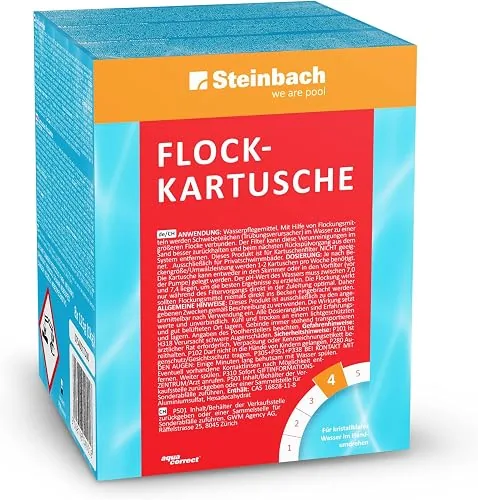
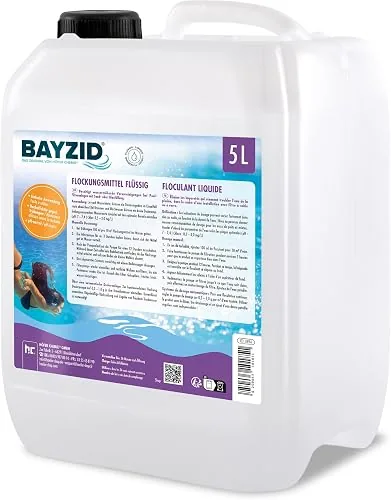
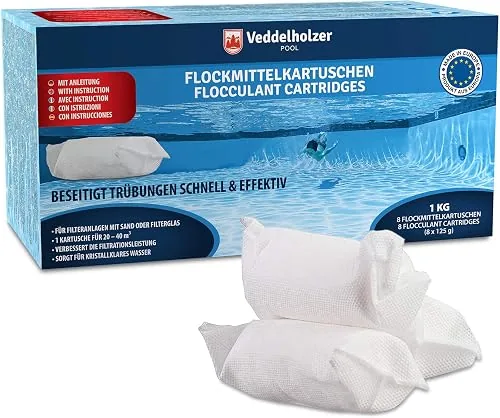
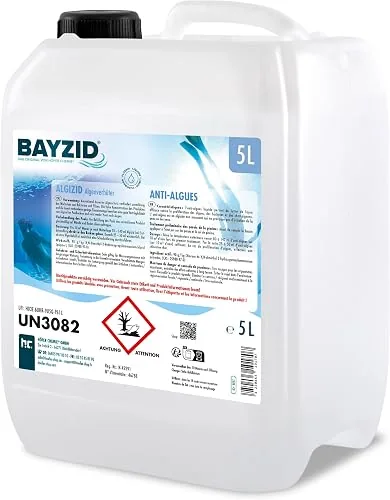
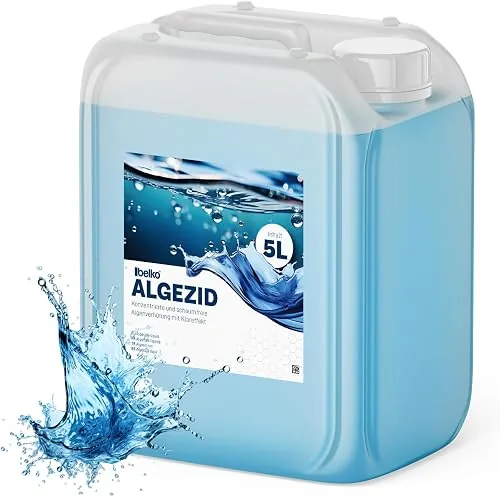
Algae (green)Green haze or green water — usually caused by a lack of chlorine or a high pH.

Help or advice — feel free to get in touch
Phone: 0800 8727 739
Real people no hold queue — we’re here for you personally.
Mon–Fri 9:00–15:00 · free of charge
Email: info@smardy-blue.com
Drop us a line — we usually reply to every message personally within 24 hours.
Contact us
Still have a question? Through our contact form you’ll quickly find the right answer.