

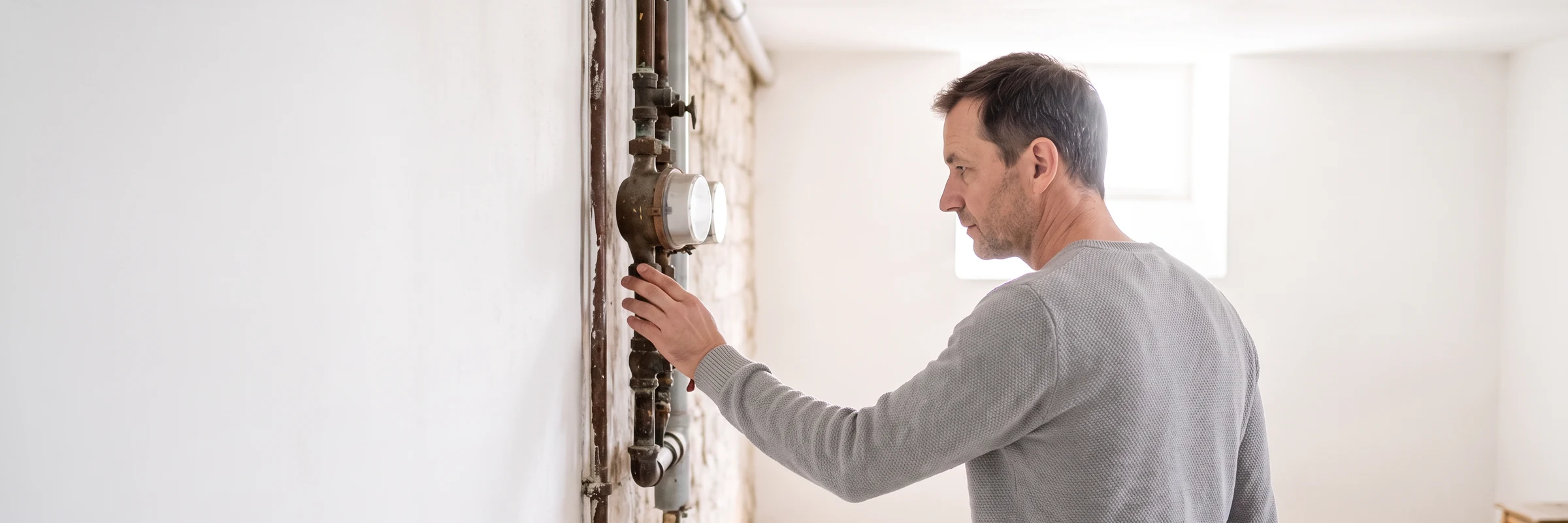
Up to the service connection, your water supplier monitors tap water under the German Drinking Water Ordinance; after that, the building owner is responsible for the pipes. Most problems arise in the building's plumbing, for example old pipes or water that has stood for a long time. Test strips give a first indication; for lead, use an accredited lab.
Good to know
Who is responsible for your tap water
The German Environment Agency (Umweltbundesamt) rates the quality of drinking water in Germany as very good. Whether that also applies to the water from your tap depends on two points: your water supplier and the pipes in your building.

Up to the service connection: your water supplier
Your supplier tests the water regularly in line with the German Drinking Water Ordinance. It must publish the latest test results and the water hardness online and inform you about the quality at least once a year. If you rent, your landlord passes this information on to you.
Tip: On your supplier’s website, search for “drinking water analysis” or “water quality”. There you’ll find the values for your supply area – a good basis for any test of your own.
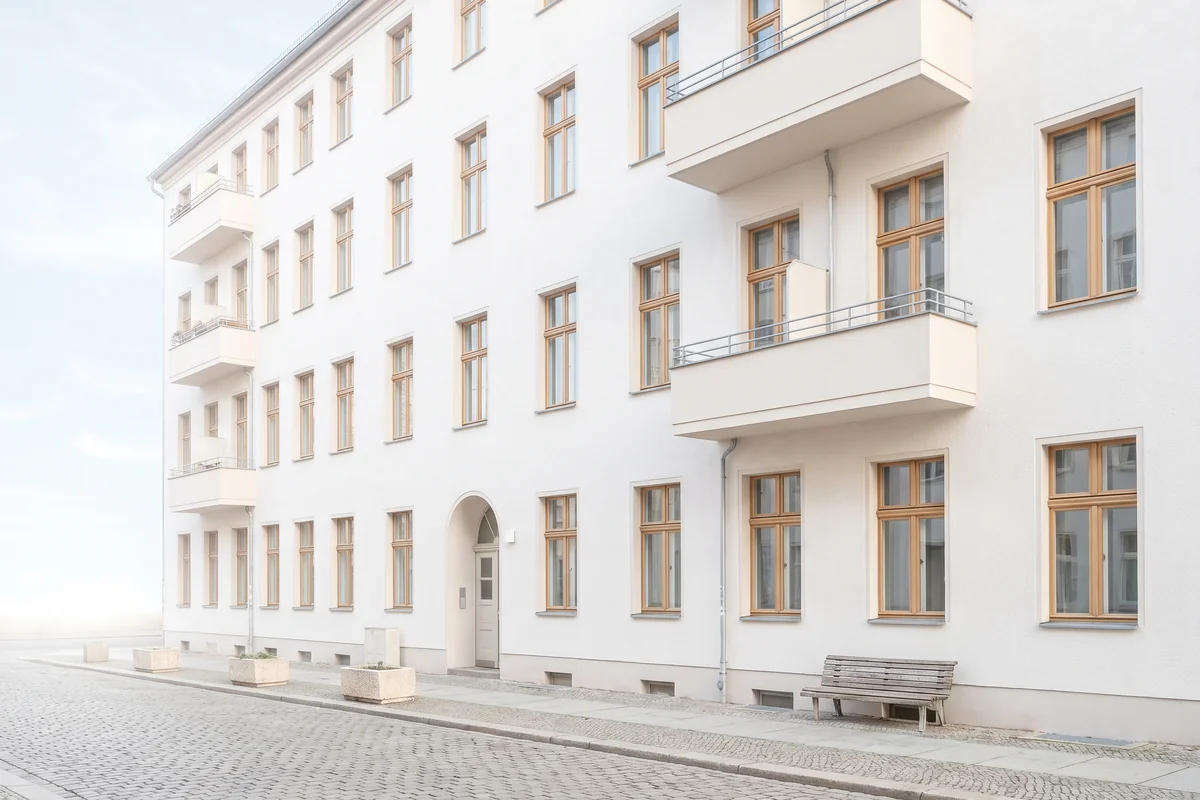
From the service connection on: owners and landlords
The owner is responsible for the pipes, fittings and hot water tanks in the building. And this is exactly where most problems arise: according to the German Environment Agency, when a limit is exceeded, the cause often lies in the plumbing in the building – for example old pipes or water that has been standing in the pipe for a long time.
This means: even if your supplier delivers flawless water, the water can change over the last few metres. A test of your own shows you what really comes out of your tap.
Limits
These values apply at your tap
The German Drinking Water Ordinance sets the values for the point where you draw the water – in other words for your tap, not just for the waterworks.
max. 0.010 mg/l
Comes from old lead pipes. From 12.01.2028, the stricter limit of 0.005 mg/l applies.
max. 2.0 mg/l
Dissolves from copper pipes, especially when the water has been standing in the pipe for a long time.
max. 50 mg/l
Gets into groundwater mainly through fertiliser – important if you use your own well.
max. 0.50 mg/l
At the waterworks outlet, the limit is even max. 0.10 mg/l.
6,5–9,5
Shows whether the water is acidic or alkaline. You’ll find your supplier’s value in its drinking water analysis.
max. 0.2 mg/l
Turns the water brownish. It can also come from old steel pipes.
no limit
Soft below 8.4 °dH, medium 8.4–14 °dH, hard above 14 °dH. Important for appliances and for dosing detergent.
0 in 100 ml
E. coli must not be detectable in drinking water. Only a lab can measure this reliably.
Want to know how a lab tests your water? To the lab analysis
When a test makes sense
Worth a closer look here
In most households, the tap water is fine. In these cases, though, you should measure it yourself or hire a lab.
Older building
House built before 1973
- Up to 1973, lead pipes were still being installed in parts of Germany
- Not every older house is affected – often the pipes are copper or steel
- Ask your landlord or property management what the pipes are made of
Renovation
New or repaired pipes
- After pipework or a new tap
- After moving into a new home
- When a pipe hasn’t been used for a long time
Your own well
Water without a supplier
- No waterworks monitors your well water
- Check nitrate, iron and bacteria regularly
- Hire a lab for drinking water from a well
Unusual
Colour, smell, taste
- Brownish or cloudy water
- Unusual smell or metallic taste
- A baby in the household you prepare food for
Step by step
How to check your tap water
With these six steps, you’ll know where you stand – from looking at your supplier’s values to the lab report.
- 1
Look at your supplier’s values
Read your supplier’s drinking water analysis: hardness, nitrate and other values for your supply area. That gives you a comparison for your own test.
- 2
Find out about your pipes
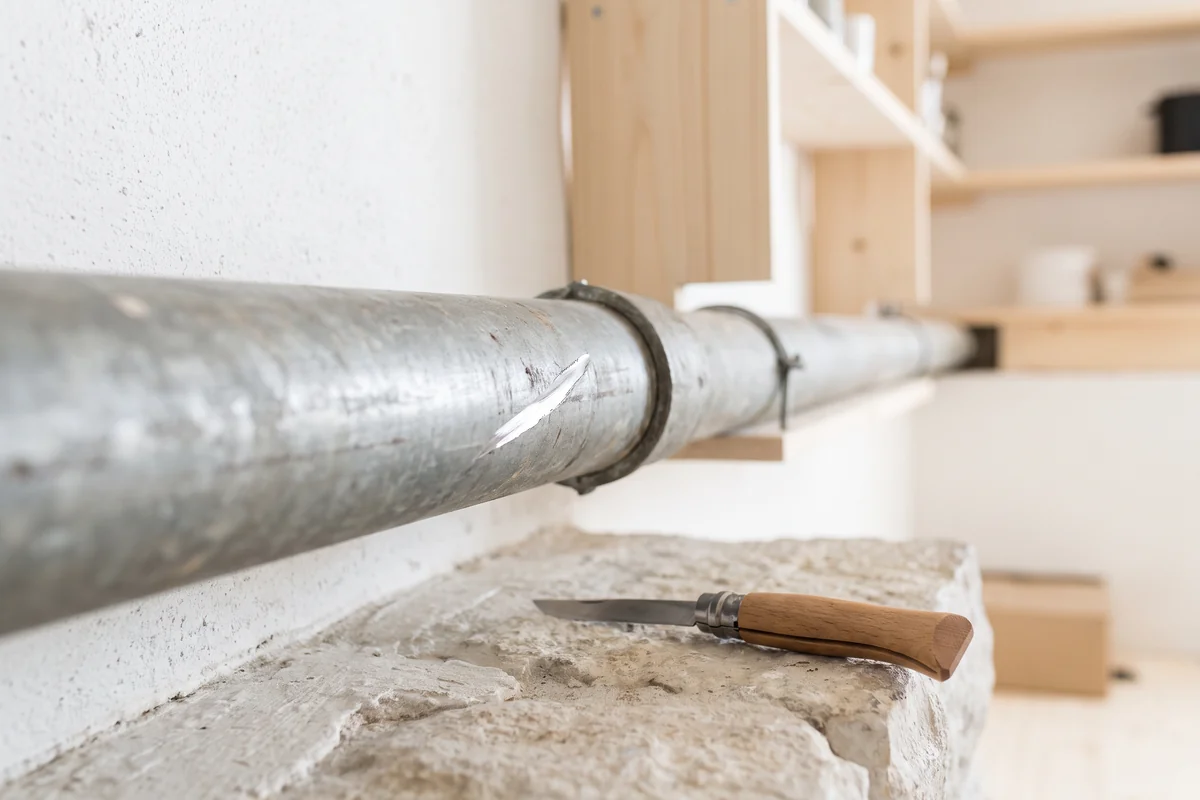
Ask about the year of construction and the pipe material. Lead is silver-grey and so soft that you can scratch it with a knife.
- 3
Take two samples
In the morning, fill a container with the first water that has been standing in the pipe overnight. Then let the water run until it comes out noticeably cooler and take a second sample.
- 4
Measure with test strips
Dip one strip into each sample and compare the pads with the colour chart as described in the instructions. If the two samples differ clearly, the substance probably comes from your pipes.
- 5
Compare with the limits
If a pad shows lead, copper, nitrate or nitrite above the limit, treat it as an indication. Test strips give you a guide, but not an exact reading.
- 6
Have it confirmed by a lab
If a result is unusual, have the water tested by an accredited laboratory. Take the report to your landlord or the owner.
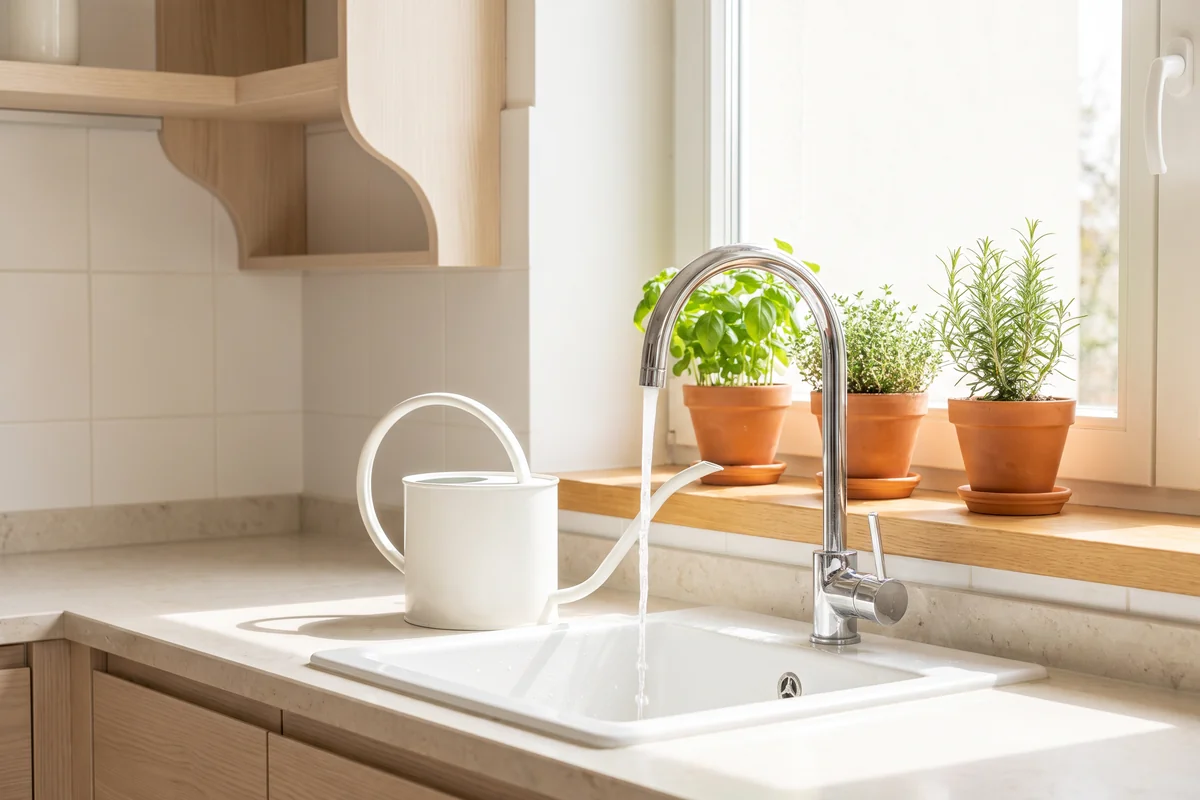
Stagnant water: let it run first
If the water has been standing in the pipe for more than four hours, the German Environment Agency advises not to use it for food and drinks. During this time, substances can dissolve from pipes and fittings.
- Let it run: Let the water run until it comes out of the tap noticeably cooler.
- Finger test: Hold your finger in the stream – fresh water feels distinctly cooler.
- Don’t waste it: The water you’ve run off is good for watering plants.
- Cold, not hot: Always use cold water for cooking and drinks. Water often stands longer in the hot water system.
Lead: old pipes had to go
Under the German Drinking Water Ordinance, lead pipes had to be removed or decommissioned by 12.01.2026. Your landlord or property management can tell you whether this has happened in your building – or you can look at the visible pipes in the basement before and after the water meter.
If you suspect lead, only a lab measurement will give you certainty. Before the sample is taken, the water should stand in the pipe for at least four hours. The German Environment Agency does not consider a filter for removing lead to be a sensible option – the solution is to replace the pipes. Until then, use bottled water labelled “Geeignet für die Zubereitung von Säuglingsnahrung” (suitable for preparing infant food) to prepare baby food.
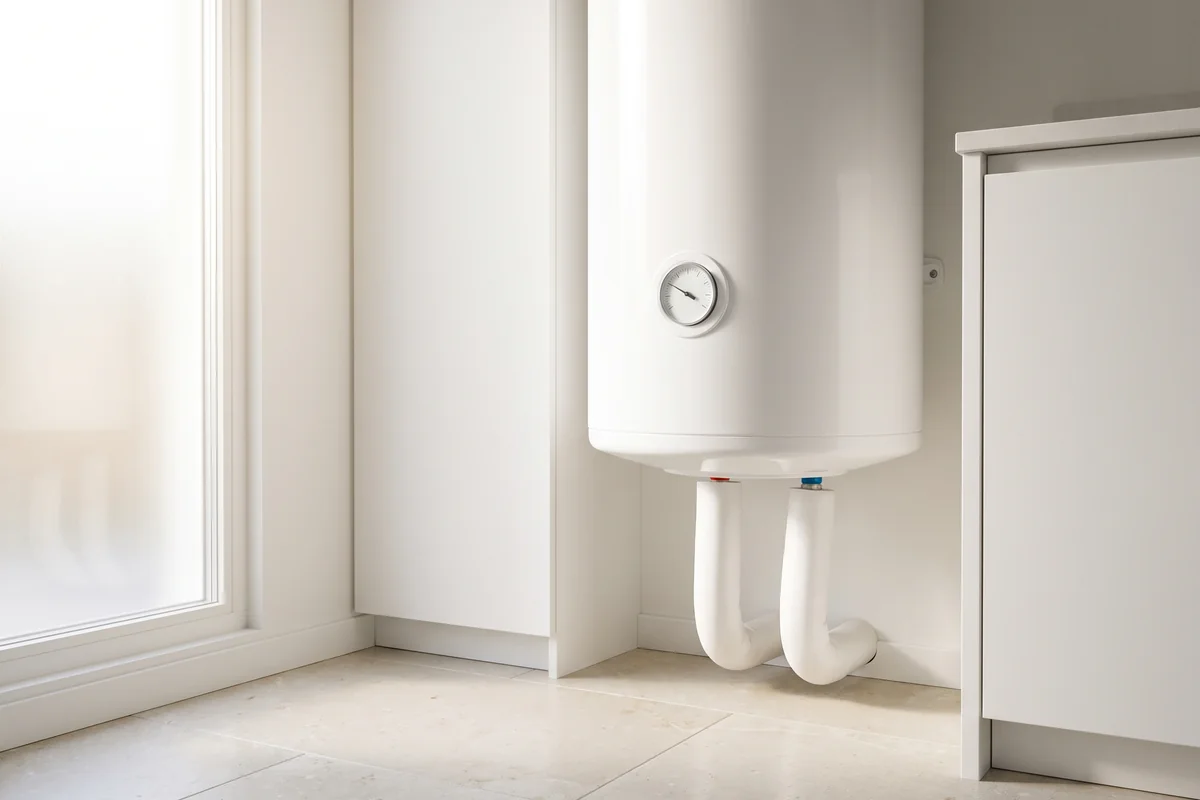
Hot water: keep an eye on the temperature
Legionella are bacteria that multiply rapidly in water between 25 and 55 °C. That’s why the German Environment Agency recommends: cold water ideally below 20 °C, max. 25 °C – hot water at least 55 °C.
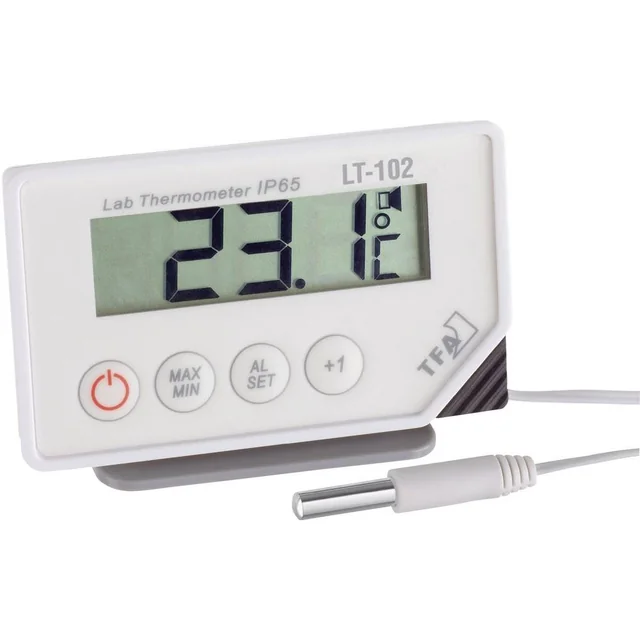
You can check this yourself with a thermometer: let the hot water run for a while and measure the temperature in the stream. If it comes out noticeably cooler, talk to your landlord or a specialist company.
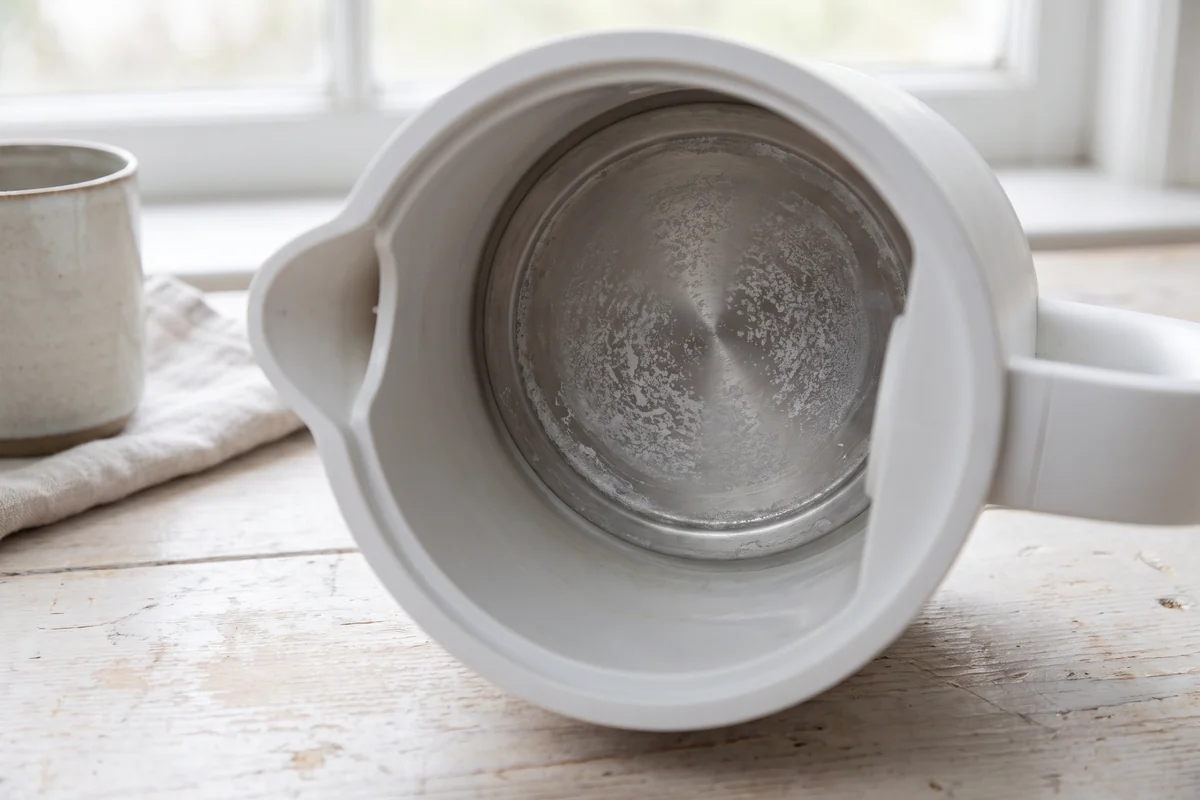
Water hardness: no limit, but lots of limescale
There is no limit for water hardness. So hard water isn’t a defect, but it builds up limescale faster in kettles, coffee machines and tap aerators. Your supplier must state the hardness range – with a hardness test strip you can check it yourself.
- Detergent: The dosage on the pack depends on the hardness range. If you know it, you can dose correctly.
- Appliances: Descale kettles and coffee machines regularly, for example with citric acid as described in the appliance’s instructions.
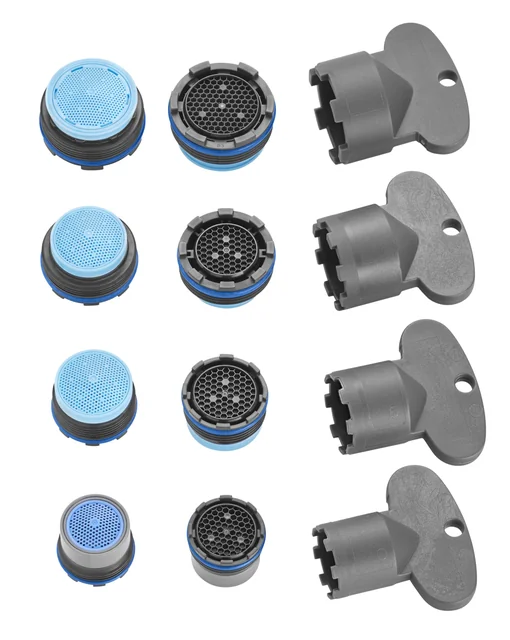
- Tap aerator: The strainer on the tap scales up over time. Unscrew it, descale it or replace it.
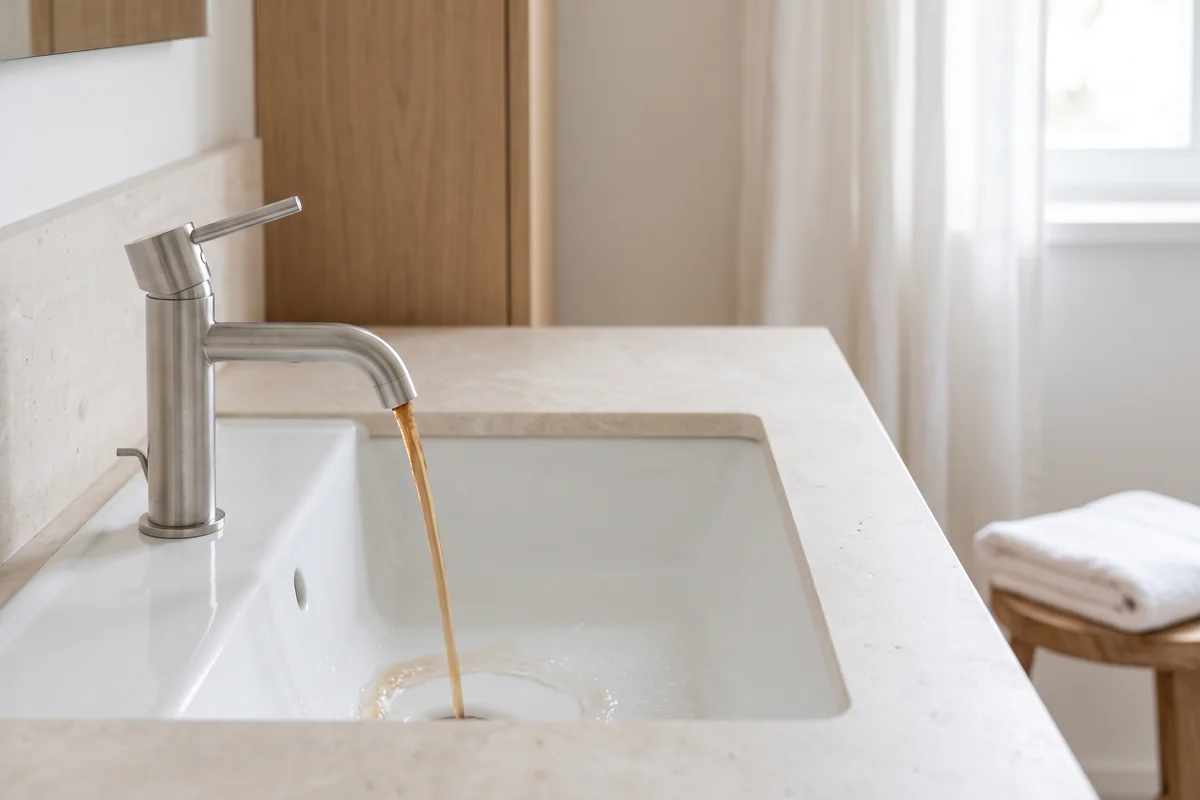
How to interpret colour, smell and taste
- Brownish or rusty: Often iron from old steel pipes. Let the water run and measure whether it turns clear again.
- Smells of chlorine: Some suppliers disinfect the water from time to time. Your supplier must state which methods it uses.
- Metallic taste: Can come from copper, especially after the water has been standing for a long time. Let it run first, then measure.
- If it stays unusual: Contact your supplier or landlord. If a defect isn’t fixed, the responsible local authority of your city or district can help.
In short
Tap water in Germany is usually of good quality – your supplier monitors it up to the service connection. After that, it’s your pipes that count: let water run after it has been standing for a long time, find out the pipe material in an older building and use test strips to check whether lead, copper, nitrate or hardness stand out. If a value is unusual, a lab will give you certainty.
Sources: German Drinking Water Ordinance 2023 (§§ 10, 17, 45, 46, Annexes 1–3), German Environment Agency (Umweltbundesamt) (guide “Trinkwasser aus dem Hahn”, environmental tips “Blei im Trinkwasser” and “Trinkwasser aus der Leitung”), German Detergents and Cleaning Agents Act (Wasch- und Reinigungsmittelgesetz) § 9. As of: October 2026.
Products
What helps you check
Our test strips for the key values in tap water – plus accessories from other brands on Amazon.
Advertising: As an Amazon Associate we earn from qualifying purchases.
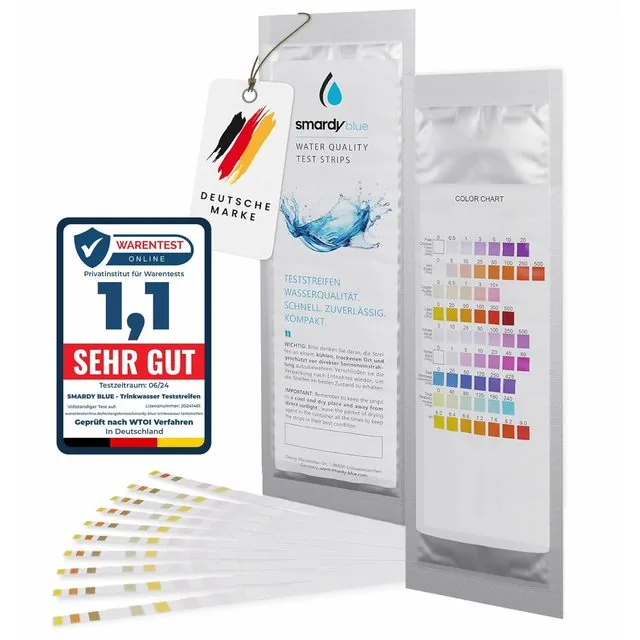
Test it yourself
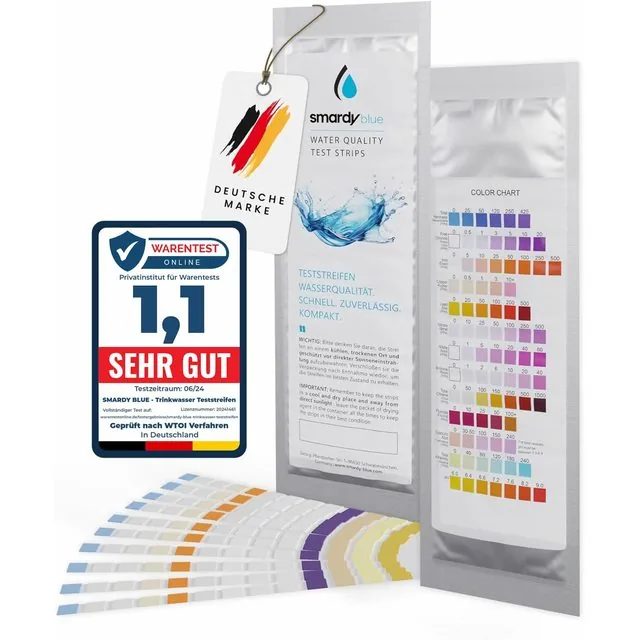
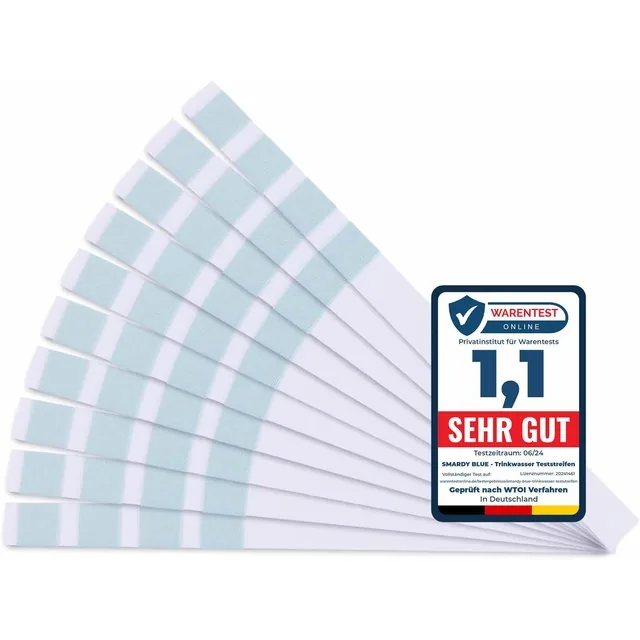
Test strips show you in one minute whether lead, copper, nitrate or hardness stand out – ideally with two samples: after the night and after running the water.
Tap, hot water and limescale
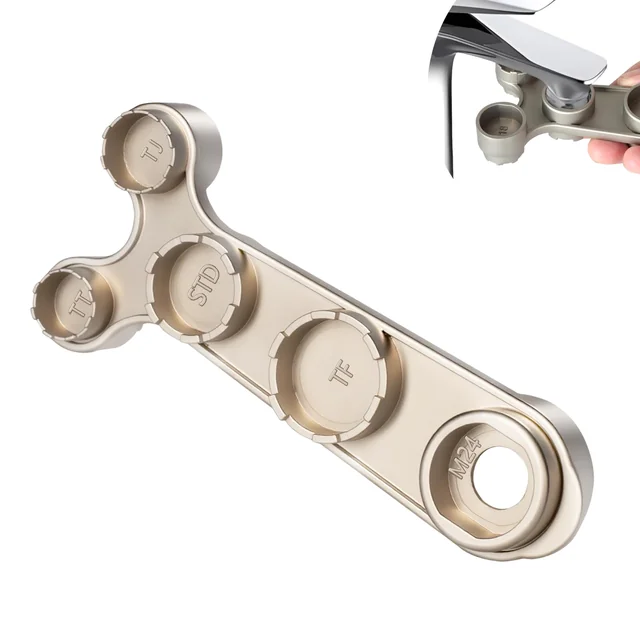
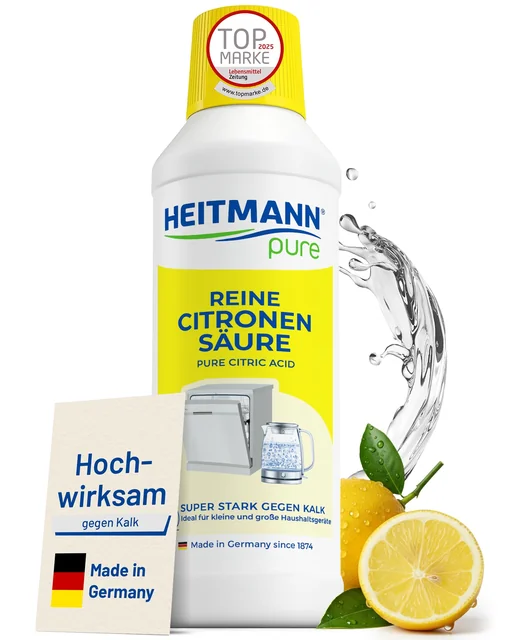
A thermometer shows you how hot your hot water really is. You can swap scaled-up tap aerators with the right key, and descale appliances with citric acid.
Prices are a non-binding guide and may vary; the price shown on Amazon at the time of purchase always applies.

Pure water — not just in the pool
From reverse osmosis to water testing: water expertise from a single source.
To smardy blueQuick answers
Frequently asked questions about tap water
Is tap water in Germany safe?
The German Environment Agency (Umweltbundesamt) rates the quality of drinking water in Germany as very good. Up to the service connection, the supplier monitors the water in line with the German Drinking Water Ordinance. What happens after that in the pipes in the building is the owner’s responsibility – which is why a test of your own can make sense.
Where can I find my supplier’s water values?
The supplier must publish the latest test results and the water hardness online. On its website, search for “drinking water analysis” or “water quality”. Tenants receive the information at least once a year via their landlord.
How long should I let the water run?
If the water has been standing in the pipe for more than four hours, let it run until it comes out of the tap noticeably cooler. The finger test helps with this. You can use the water you’ve run off for watering plants.
Can I test for lead in tap water myself?
Test strips with a lead pad give you a first indication, but not an exact reading. For a reliable result – especially in an older building – have the water tested by an accredited laboratory. Before the sample is taken, it should stand in the pipe for at least four hours.
Does a water filter help against lead?
The German Environment Agency does not consider filters for removing lead to be a sensible option. The solution is to replace the lead pipes. Under the German Drinking Water Ordinance, they had to be removed or decommissioned by 12.01.2026.
Is hard tap water a problem?
No, there is no limit for water hardness. However, hard water scales up appliances such as kettles and coffee machines faster. If you know the hardness range, you can dose detergent correctly.
Who is responsible if my water seems unusual?
Up to the service connection, the water supplier; after that, the owner of the building – so if you rent, your landlord. If a defect isn’t fixed, contact the responsible local authority of your city or district.
What applies if I have my own well?
No supplier monitors well water – you’re responsible yourself. Check nitrate, iron and bacteria regularly in particular. If you want to drink the water, have it tested by a lab.
Help or advice — feel free to get in touch
Phone: 0800 8727 739
Real people no hold queue — we’re here for you personally.
Mon–Fri 9:00–15:00 · free of charge
Email: info@smardy-blue.com
Drop us a line — we usually reply to every message personally within 24 hours.
Contact us
Still have a question? Through our contact form you’ll quickly find the right answer.