

Cycling means letting filter bacteria settle before fish move in: they turn ammonium into nitrite and then into nitrate. Measure ammonium, nitrite, pH, KH and nitrate daily or every other day. The tank is cycled when ammonium and nitrite have been at 0 for several days and nitrate is measurable; one manufacturer gives about a month.
Good to know
What happens during cycling
A new aquarium looks finished once it’s filled – biologically, it isn’t yet. First, filter bacteria have to settle that convert the breakdown products of food and fish. This period is called the cycling phase.
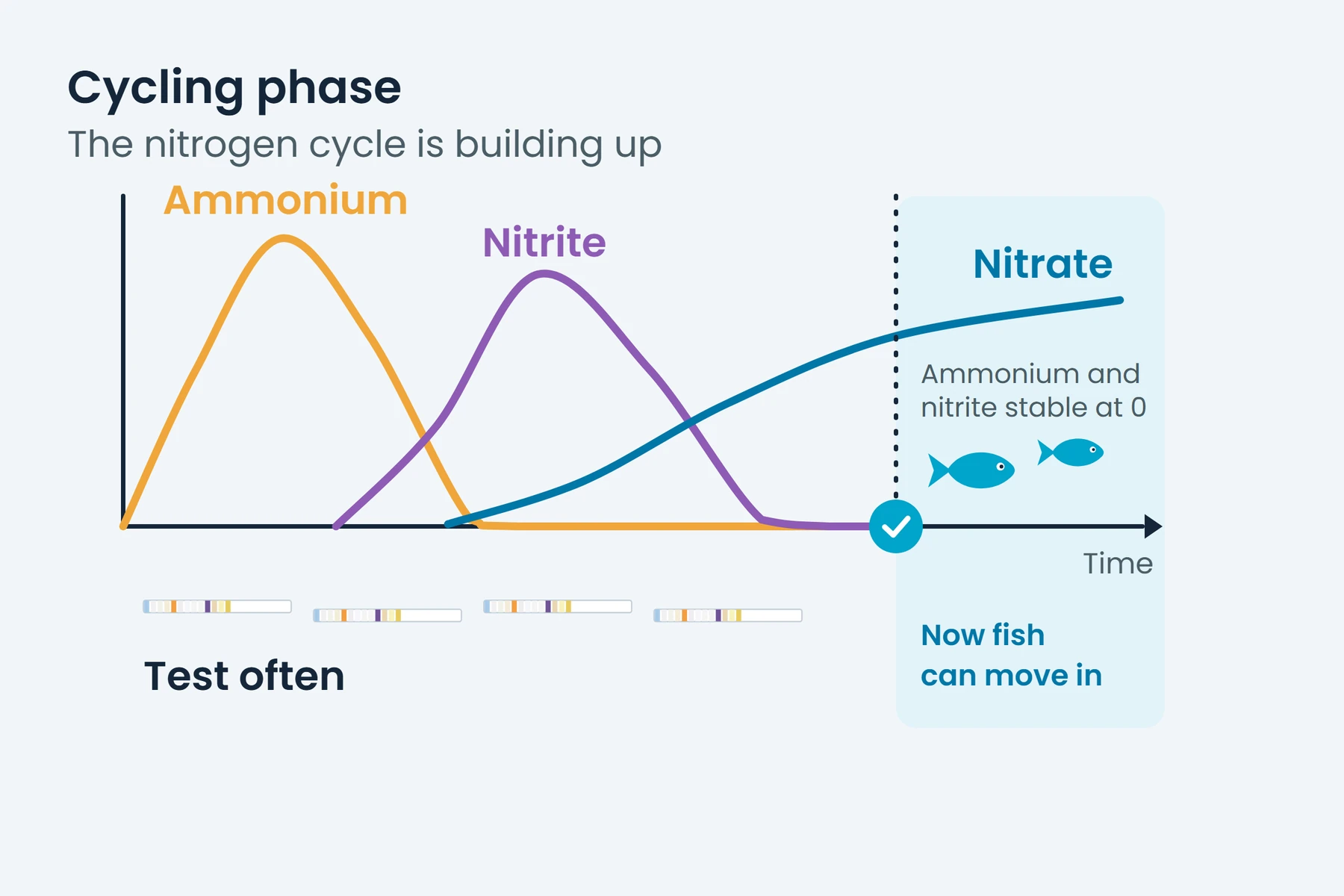
The nitrogen cycle builds up
Leftover food, plant parts and waste produce ammonium. Filter bacteria convert it into nitrite, and a second group of bacteria turns that into nitrate. Nitrate is far less of a problem and is removed by partial water changes and by plants.
The two groups of bacteria grow one after the other. That’s why ammonium rises first, then nitrite – and only when both disappear again is the cycle complete.
The nitrite peak
Usually in the second to fourth week, nitrite rises sharply because the bacteria that break down nitrite grow more slowly. This rise is called the nitrite peak and lasts from a few days to about two weeks. One manufacturer describes nitrite above 0.4 mg/l as dangerous for fish – during this time, no animals belong in the tank yet.
After that, nitrite drops again and nitrate rises. That’s the sign that your filter is working. If you never measure, you won’t see the peak and might put fish right into the middle of it.
Ammonium or ammonia?
Ammonium and ammonia are in equilibrium in the water. The higher the pH and temperature, the more is present as toxic ammonia – above pH 7, the share rises noticeably. In soft, slightly acidic water, the same amount is less critical than in hard water with a high pH.
For you, this means: measure the pH as well as ammonium and nitrite. Our test strips show pH and nitrite – you measure ammonium with a separate ammonium test.
Target values
These values show you where you stand
During the cycling phase, you measure daily or every other day. The values apply to most freshwater aquariums – your fish species may need different ranges.
not detectable
Rises first. Before stocking, it must be back at 0.
0 mg/l
Rises after ammonium. Only when it stays at 0 for several days is the tank ready.
below 50 mg/l
Rises as soon as the filter is working. One manufacturer recommends below 30 mg/l – partial water changes keep it low.
6.5–7.5
Determines how much ammonium is present as ammonia. Should stay stable.
4–8 °dH
Buffers the pH. The filter bacteria use up carbonate hardness during cycling.
around 25 °C
A manufacturer’s guideline for a community tank. Set the heater to the later temperature right away.
You’ll find all aquarium values with scale and explanation in our guide Testing aquarium water. To the aquarium water guide
Timeline
How the cycling phase works
The times are based on experience and vary from tank to tank. What matters are your readings, not the calendar.
Day 1
Setting up
- Test tap water, set up and fill the tank
- Add water conditioner and filter bacteria as directed on the label
- Switch on filter and heater, plant densely
Week 1
Ammonium rises
- Measure daily or every other day
- Write down values with the date
- Keep the filter running, don’t clean it
Week 2–4
Nitrite peak
- Nitrite rises sharply
- Don’t add any fish yet
- Change about a third of the water weekly
After the peak
Ready
- Ammonium and nitrite at 0 for several days
- Nitrate is measurable – partial water change
- Add a few fish, keep measuring
Step by step
How to cycle your aquarium
These steps get you safely through the first weeks – no matter how big your tank is.
- 1
Check your tap water
Before filling, measure the pH, total hardness, carbonate hardness and nitrate of your tap water. That way you know which fish will suit later and where your starting values are.
- 2
Set up and fill
Add substrate, decoration and lots of plants, then fill slowly. Add a water conditioner as directed on the label.
- 3
Start the equipment
Filter and heater run nonstop from day one. Set the lighting to a fixed duration.
- 4
Feed the bacteria
Filter bacteria need food. Starter bacteria get them into the tank faster – a small pinch of food every few days supplies the ammonium they live on.
- 5
Measure regularly
Measure nitrite, pH and KH daily or every other day, plus ammonium. Write down the values – that way you’ll see when the nitrite peak comes and goes. If the test strip shows the highest colour level, the actual value may be even higher.
- 6
Ready for stocking
Once ammonium and nitrite have been at 0 for several days and nitrate is measurable, do a partial water change. Then the first few hardy animals can move in – the rest of the stocking follows in several steps.
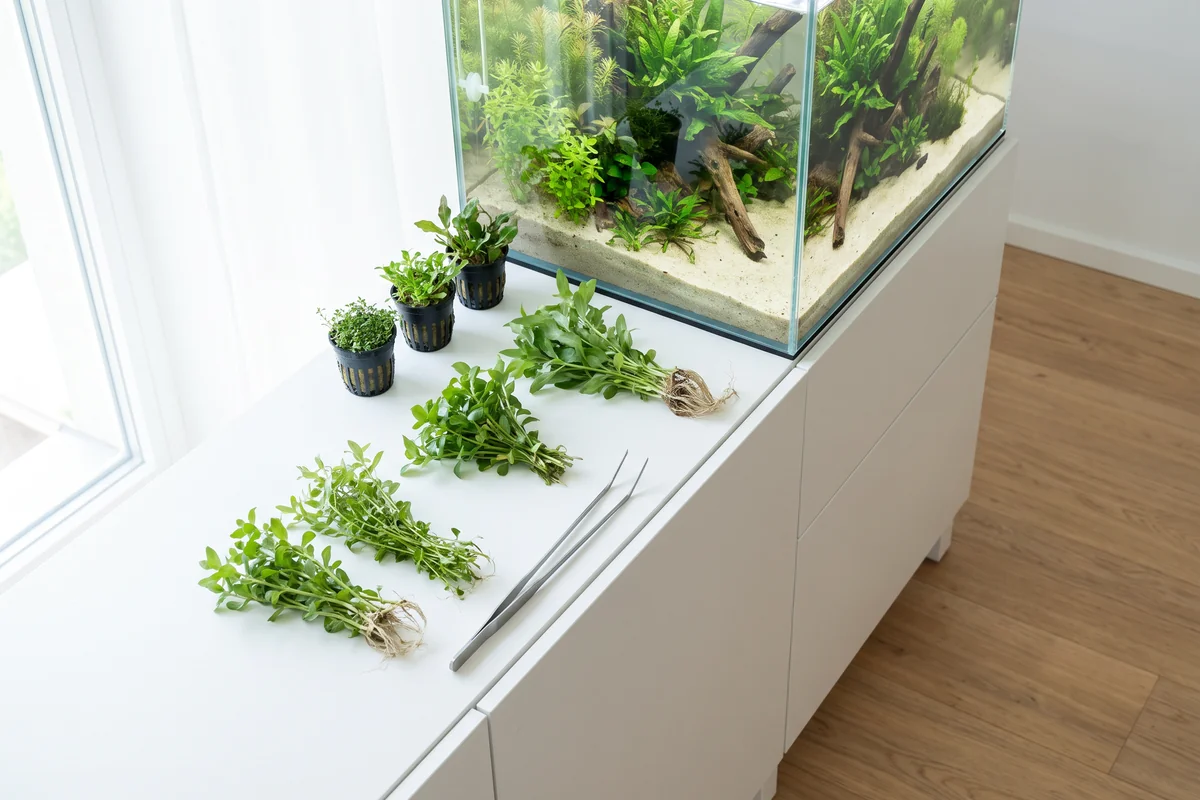
Plants and light
Add lots of plants right from the start, ideally fast-growing species. They take up nutrients that algae would otherwise use, and give the bacteria extra surface area.
Use a timer to set the lighting to a fixed duration per day so the plants get a steady rhythm. The instructions for your light take priority.
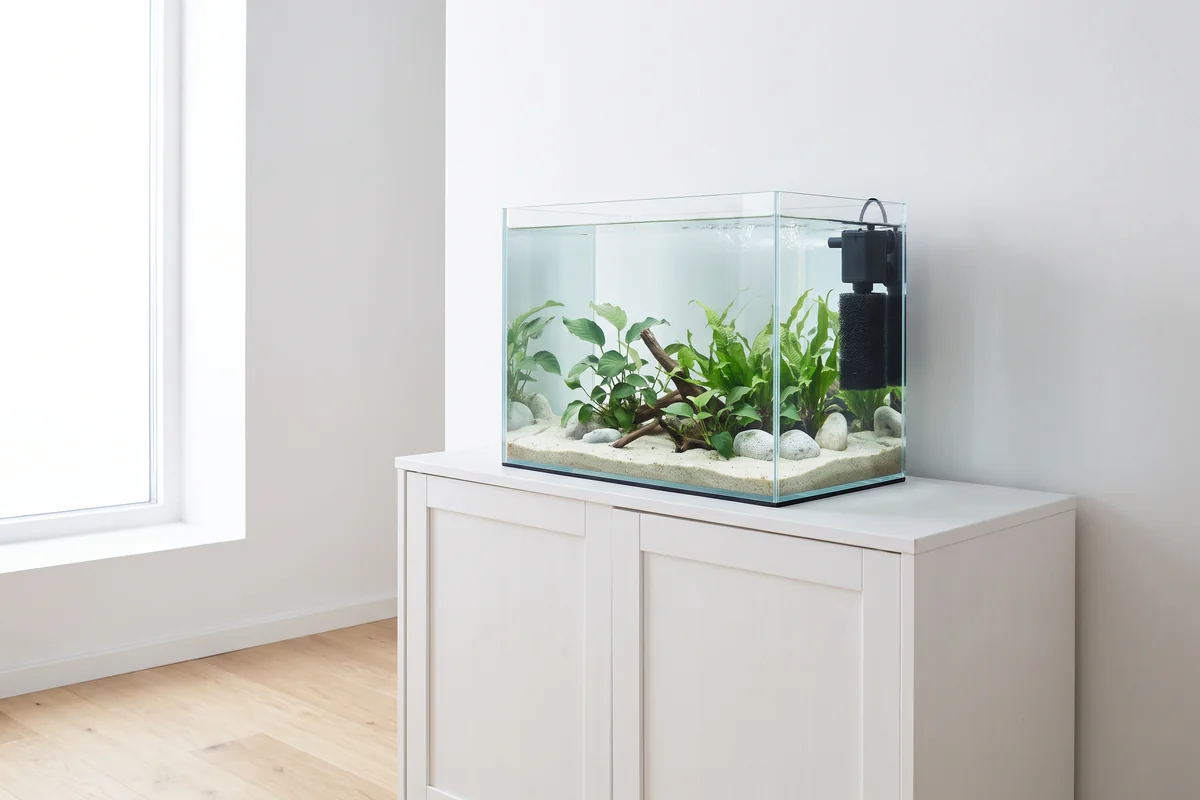
Leave the filter alone
- Don’t switch it off: Most of the bacteria live in the filter. Without water flow, they get no oxygen.
- Don’t clean it thoroughly: Don’t rinse the filter media at all during the cycling phase. Later, rinse it in aquarium water at most, never under hot tap water.
- Don’t replace everything at once: If you replace the filter media completely, you remove the bacteria and start from scratch.
Cloudiness, deposits and algae at the start
- Milky cloudiness: In the first few days, the water often turns cloudy from free-floating bacteria. It usually clears up on its own.
- Brown deposits: Diatoms on the glass and decoration often appear after two to three weeks and usually disappear over time.
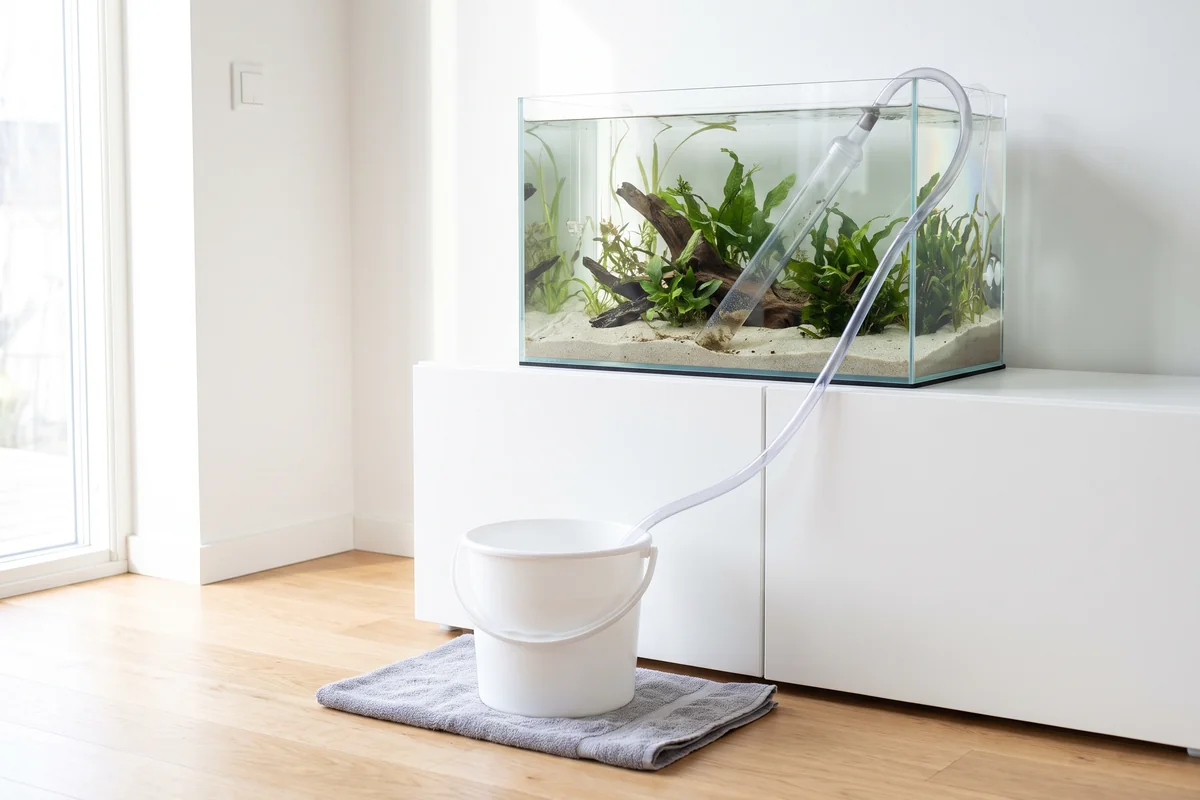
- Water changes: One manufacturer recommends about a third weekly during cycling. With nutrient-rich substrate (aqua soil), specialist retailers advise more frequent, larger changes – follow the instructions for your substrate.
- Measure first: If the water is cloudy or smells, the test shows you whether ammonium or nitrite is behind it.
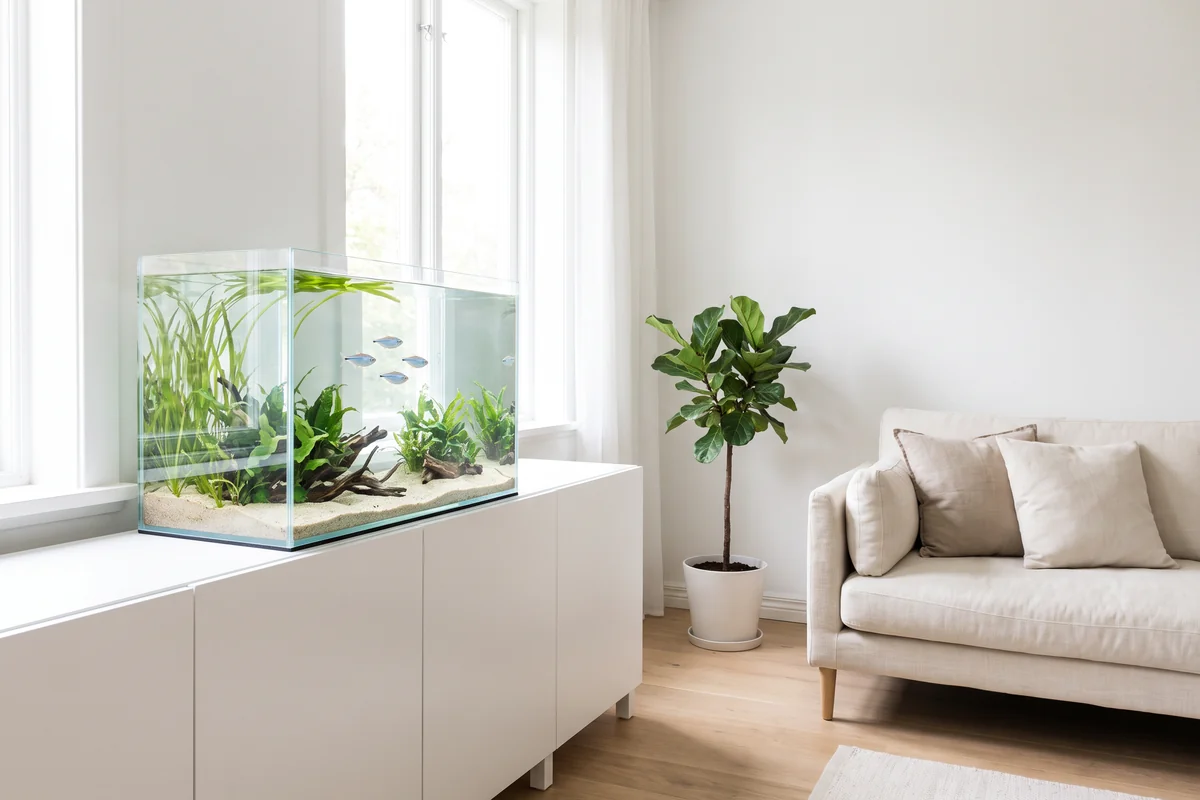
Cycling with or without fish?
Cycle your tank without fish. The bacteria need ammonium as food – a small pinch of food every few days is enough as a source. That way, no animal has to go through the nitrite peak.
Used filter media from an established, trouble-free tank can speed up the start. Starter bacteria from the shop also support the build-up. Some manufacturers say a first stocking is possible after just 24 hours – but then only step by step, with sparing feeding and daily measuring.
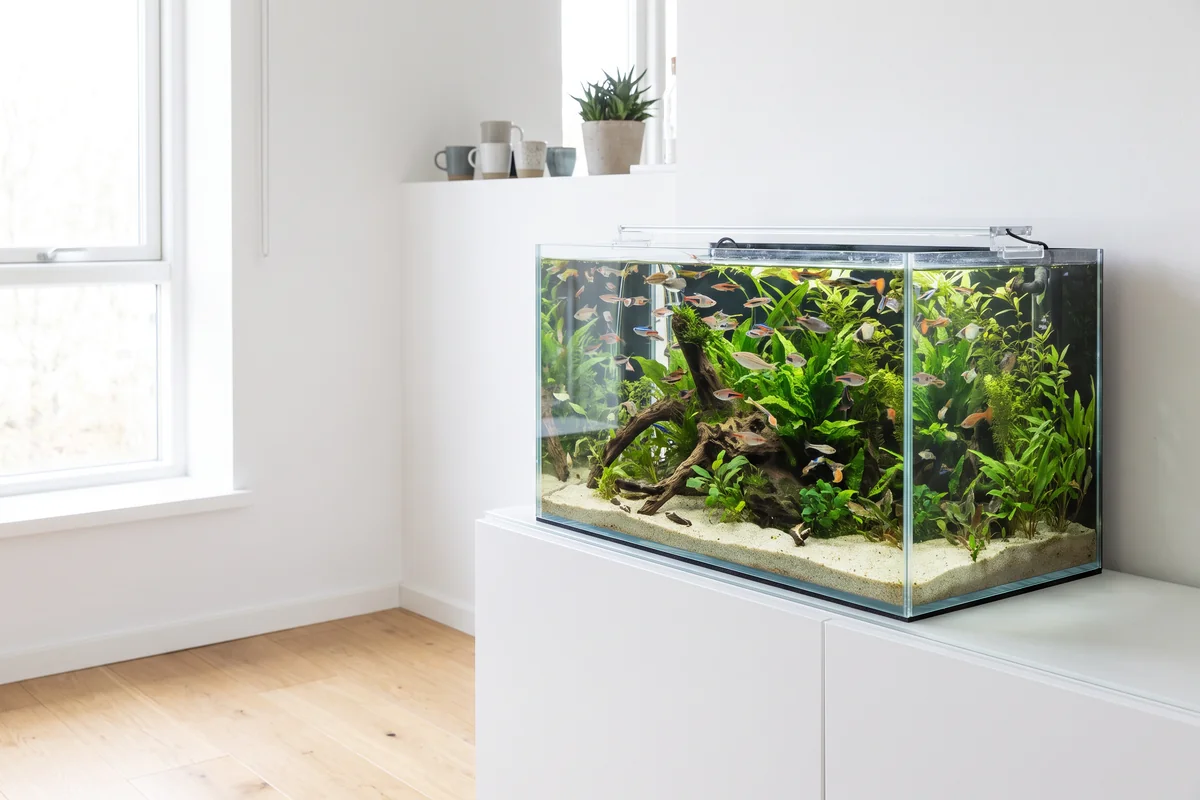
Common mistakes – and how to avoid them
- Adding fish too early: Clear water doesn’t mean the tank is cycled. Only the readings decide.
- Never measuring: Without values, you see neither the nitrite peak nor its end.
- Too many fish at once: The bacteria grow along with the amount of food. Add your stocking in several steps.
- Overfeeding: Leftover food turns into ammonium. Better to feed little than to burden the tank.
- Cleaning or switching off the filter: That takes away the bacteria’s home and their oxygen.
- Forgetting about medication: Treatments against bacteria can also hit the filter bacteria. Measure more often again afterwards.
In short
A new aquarium needs a few weeks until the filter bacteria reliably break down ammonium and nitrite. Cycle it without fish, keep the filter running, add lots of plants and measure regularly. Only when ammonium and nitrite have been at 0 for several days and nitrate is rising do the first few fish move in.
Sources: guides and instructions from manufacturers of aquarium and water treatment products, specialist literature on the nitrogen cycle. Guideline values for freshwater aquariums are for orientation, not official limits. As of: October 2026.
Products
What you need for cycling
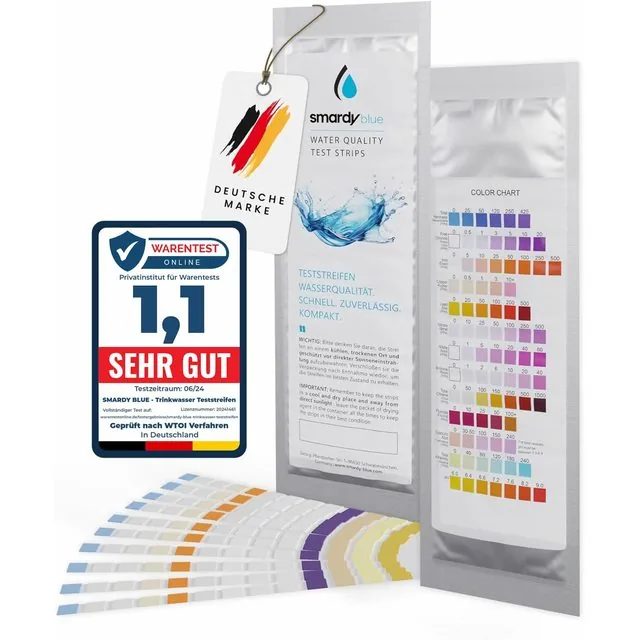
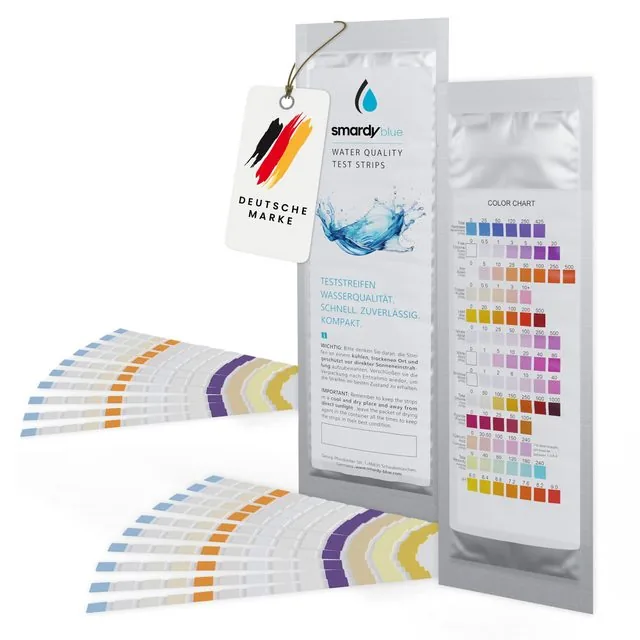
Our test strips for nitrite, nitrate, pH and hardness – plus accessories from other brands on Amazon.
Advertising: As an Amazon Associate we earn from qualifying purchases.
Measure daily
Nitrite, nitrate, pH and KH show you where your tank stands during the cycling phase.
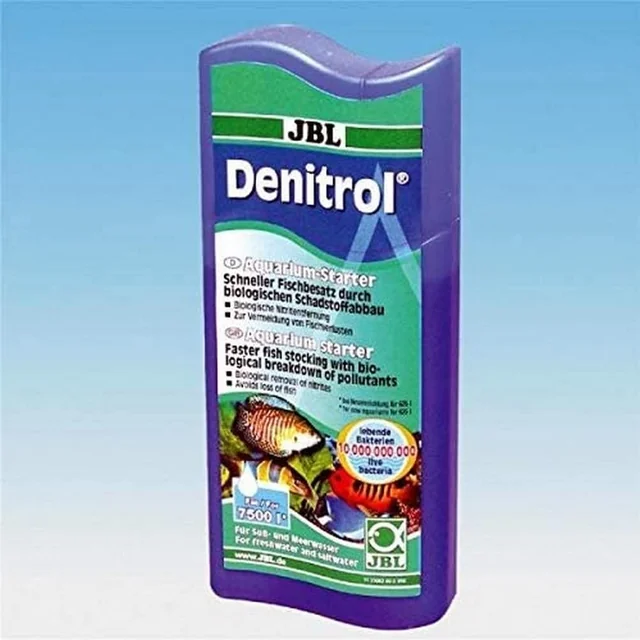
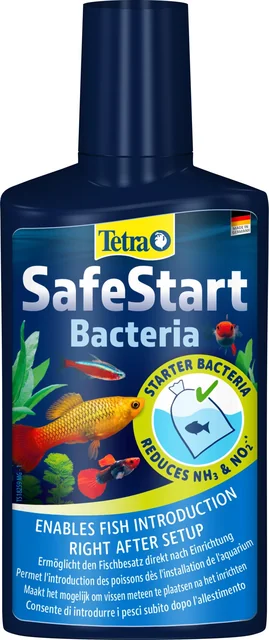
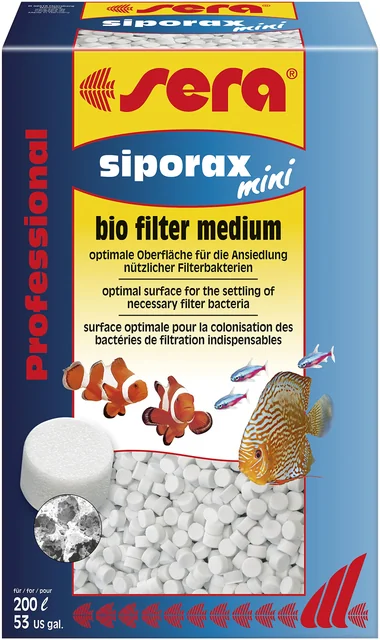
Filter bacteria
Starter bacteria can support the build-up of the bacterial culture. You still need to measure.

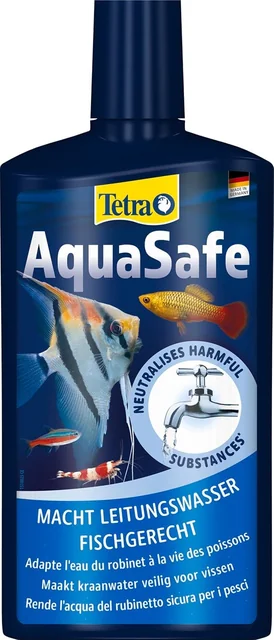
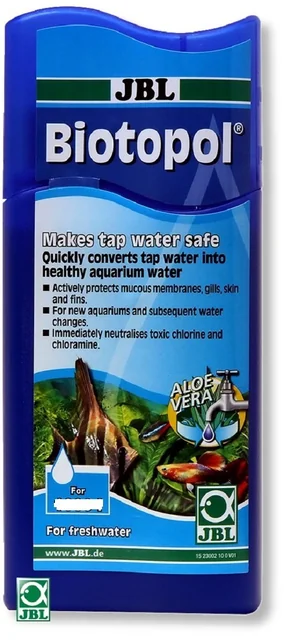
Prepare tap water
According to the manufacturer, a water conditioner binds chlorine and heavy metals from tap water.
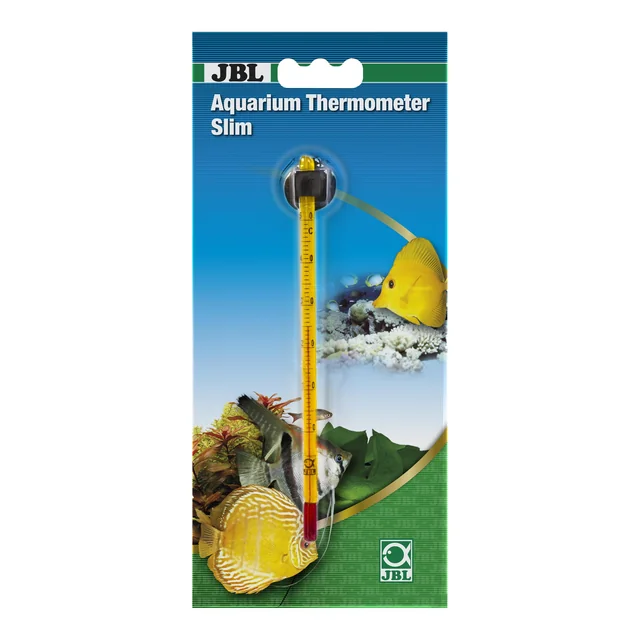
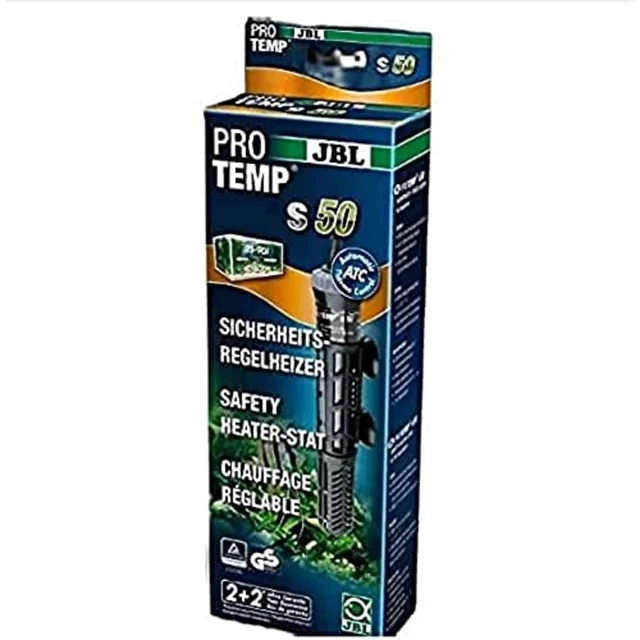
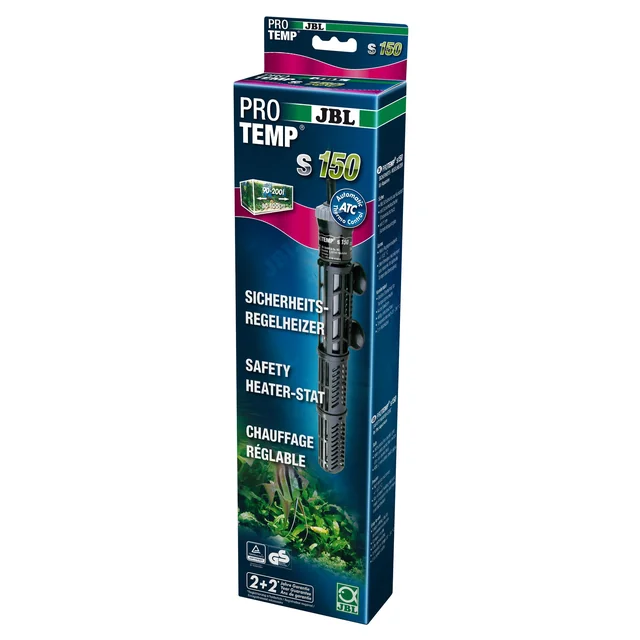
Temperature
According to guides, a little warmth speeds up cycling. Set the heater to the later temperature right from the start and check it with the thermometer.
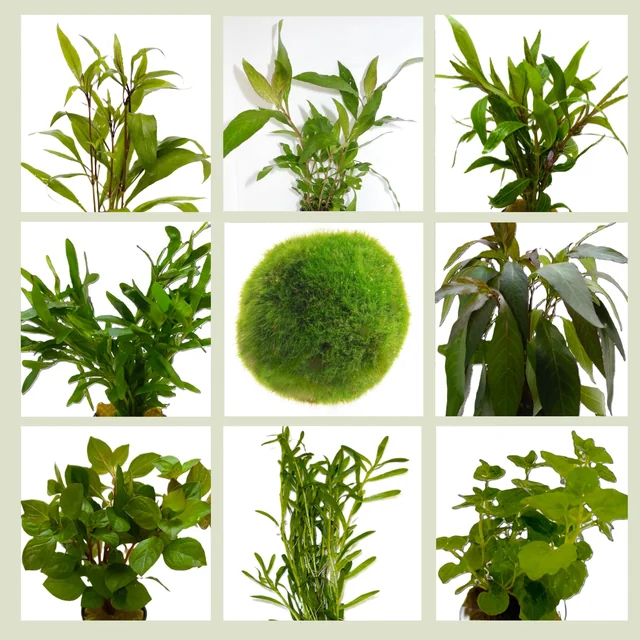
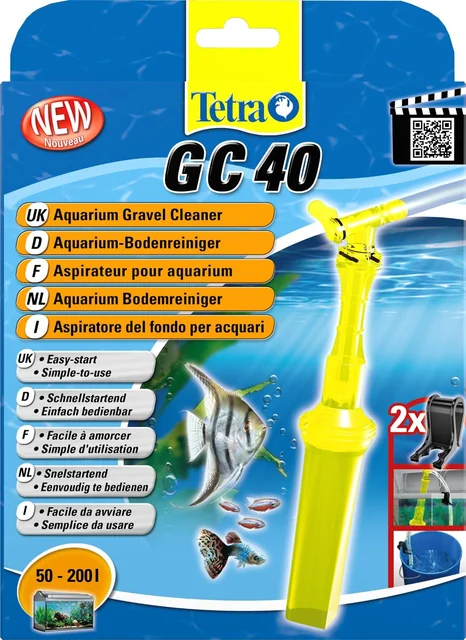
Plants, filter and water changes
Lots of fast-growing plants, a well-colonised filter and regular partial water changes keep the tank stable.

Prices are a non-binding guide and may vary; the price shown on Amazon at the time of purchase always applies.

Pure water — not just in the pool
From reverse osmosis to water testing: water expertise from a single source.
To smardy blueQuick answers
Frequently asked questions about cycling
How long does it take to cycle an aquarium?
One manufacturer says about a month without starter bacteria; in practice, it varies from tank to tank. Your readings show how long it takes for you: only when ammonium and nitrite have been at 0 for several days and nitrate is measurable is the tank cycled.
What is the nitrite peak?
The sharp rise in nitrite, usually in the second to fourth week. The bacteria that break down nitrite grow more slowly than those that produce it. The peak lasts from a few days to about two weeks – during this time, you don’t add any fish yet.
Which values do I test during cycling?
Nitrite, ammonium, pH and carbonate hardness, plus nitrate. Nitrite shows you the peak, nitrate the end of the cycling phase, and pH and KH whether the water stays stable.
How often should I measure?
During the cycling phase, daily or every other day. After adding the first fish, keep measuring often for the first few weeks; after that, once a week is usually enough.
When can I add the first fish?
When ammonium and nitrite have been at 0 for several days in a row and nitrate is measurable. Do a partial water change first and start with just a few animals.
Can I speed up cycling?
Yes, a little: used filter media from a cycled tank, lots of plants and starter bacteria from the shop can help. You can’t skip the cycling phase entirely – the readings decide.
My nitrite was never measurable – is the tank cycled?
Not necessarily. If the peak is missing only because there was hardly any food or other ammonium source in the tank, the bacteria had nothing to grow on. Add a small pinch of food and keep measuring for a few days. Used filter media can also keep the peak small.
My water is cloudy – is that bad?
Milky cloudiness in the first few days often comes from free-floating bacteria and usually disappears on its own. Still measure ammonium and nitrite so you know the cause.
Do I need to cycle the aquarium again after moving it or cleaning the filter?
If the filter stays moist and is only rinsed in aquarium water, most of the bacteria survive. If the filter media was replaced completely or was dry for a long time, measure more often in the days that follow.
Help or advice — feel free to get in touch
Phone: 0800 8727 739
Real people no hold queue — we’re here for you personally.
Mon–Fri 9:00–15:00 · free of charge
Email: info@smardy-blue.com
Drop us a line — we usually reply to every message personally within 24 hours.
Contact us
Still have a question? Through our contact form you’ll quickly find the right answer.